

Cambodia Investment Review
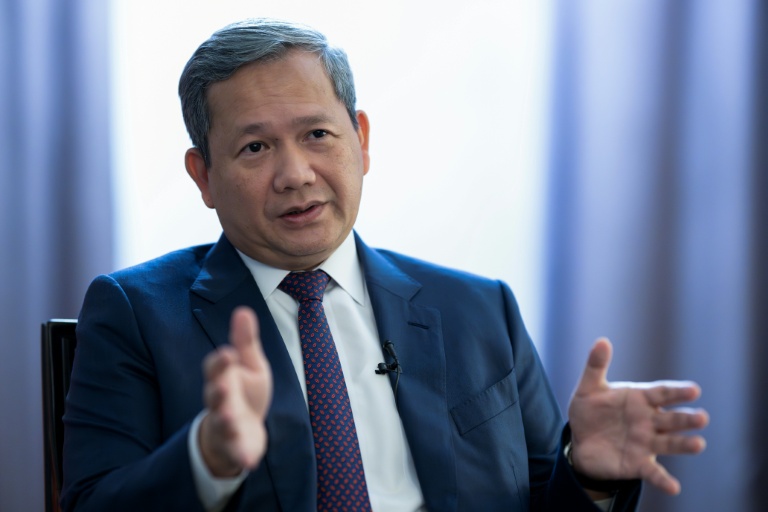
Prime Minister Hun Manet has acknowledged that online scam centres are damaging Cambodia’s economy and harming the country’s international reputation, as authorities intensify efforts to dismantle criminal networks operating within the Kingdom.
Speaking to international media during a visit to Brussels, the Prime Minister recognised that cyber-scam operations have cast a long shadow over Cambodia’s investment narrative, affecting tourism flows, investor sentiment and the country’s broader economic image.
His remarks come at a time when Cambodia is seeking to reinforce its position as a credible and competitive destination for long-term capital in manufacturing, infrastructure, financial services and real estate.
Black economy versus formal growth
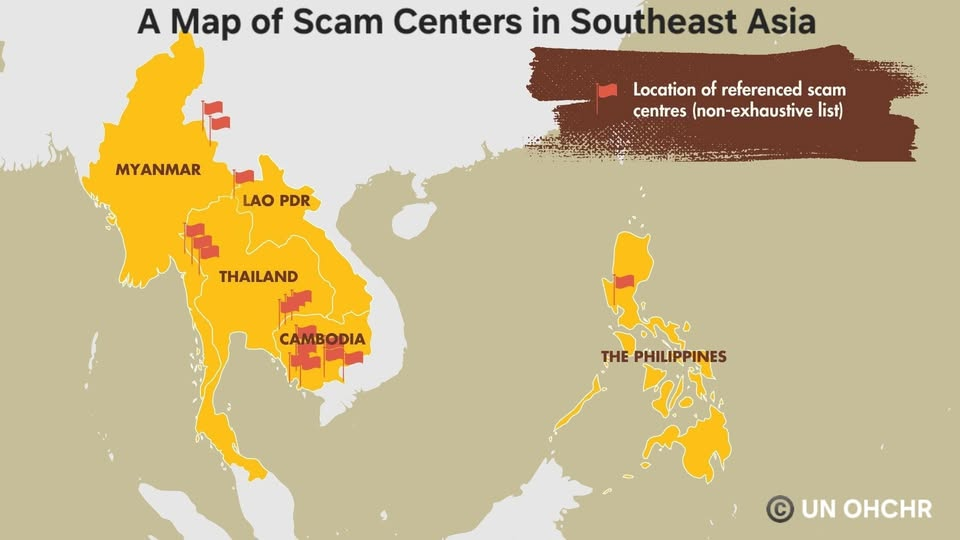
Cambodia has emerged over recent years as one of several Southeast Asian bases used by transnational syndicates running large-scale online fraud schemes. These operations have targeted victims globally through romance scams, cryptocurrency investment fraud and other digital schemes.
Independent estimates suggest tens of thousands of individuals may be involved in such operations in Cambodia, including trafficked workers forced to operate under coercive conditions. A 2024 report by the United States Institute of Peace estimated that cyber-scam revenues linked to Cambodia could exceed $12.5 billion annually — a figure equivalent to roughly half of the country’s formal GDP.
Hun Manet acknowledged that scam centres had indirectly stimulated certain sectors of the economy, particularly real estate development and construction linked to the establishment of operational compounds. However, he stressed that the illicit proceeds did not flow into state revenues and should not be interpreted as a driver of legitimate economic growth.
For Cambodia’s formal business community, the distinction is critical. While short-term capital injections may have supported property demand in certain pockets, the reputational cost associated with being labelled a cybercrime hub carries far more significant long-term risks — particularly for export-oriented industries and tourism operators reliant on international confidence.
Crackdowns and high-profile extraditions
The government has stepped up enforcement efforts over the past year, resulting in thousands of arrests and the repatriation of foreign nationals linked to scam compounds. Many of these operations have taken place in coordination with regional partners, particularly China, which remains Cambodia’s largest source of foreign direct investment and a key diplomatic ally.
One of the most high-profile cases involved the arrest and extradition of Chinese-born businessman Chen Zhi in January. Chen, previously an adviser to both Hun Manet and former Prime Minister Hun Sen, had been indicted by U.S. authorities in late 2025 over allegations that his conglomerate, Prince Group, operated as a front for a large-scale cyber-fraud network.

U.S. prosecutors allege that operations under his direction included forced labour compounds in Cambodia, where trafficked workers were held in secured facilities and compelled to conduct online scams. Prince Group has denied the allegations.
Hun Manet stated that authorities were unaware of any alleged wrongdoing at the time of Chen’s advisory role and moved to take action once formal allegations were raised. He further confirmed that Chen’s Cambodian nationality had been revoked after it was determined he had used fraudulent documentation to obtain it, leaving Chinese citizenship as the legal basis for extradition.
Implications for Cambodia’s business climate
For Cambodia’s private sector, the Prime Minister’s public acknowledgment signals a recognition at the highest level that reputational risk now poses a direct threat to economic strategy.
Cambodia has spent more than a decade positioning itself as a manufacturing hub integrated into global supply chains, a destination for regional headquarters, and a growing market for financial services and technology. Continued association with cybercrime networks risks complicating access to international banking relationships, raising compliance scrutiny and increasing due diligence requirements for inbound investors.
Business leaders have long argued that sustainable growth must be built on regulatory clarity, governance standards and transparent enforcement. The current crackdown, while welcomed by many in the formal sector, will likely be judged by the consistency and durability of implementation.
Hun Manet, who took office in 2023, has sought to project a reform-oriented agenda while navigating regional geopolitical pressures, including ongoing tensions along the Thailand–Cambodia border. For local entrepreneurs and foreign investors alike, the central question is whether the dismantling of scam networks will translate into stronger institutional credibility.
As Cambodia continues its push to attract higher-quality investment, the government’s ability to separate the formal economy from illicit financial flows may prove decisive in shaping the Kingdom’s next phase of economic development.