
Cambodia Investment Review
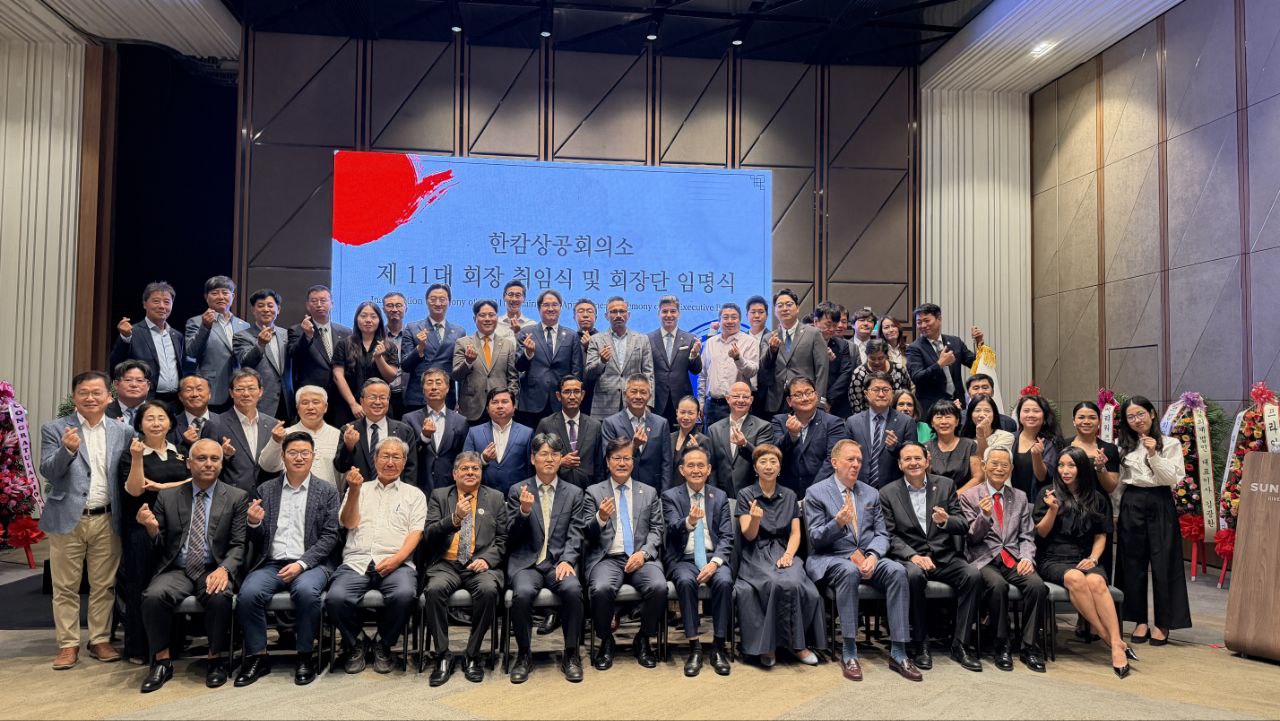
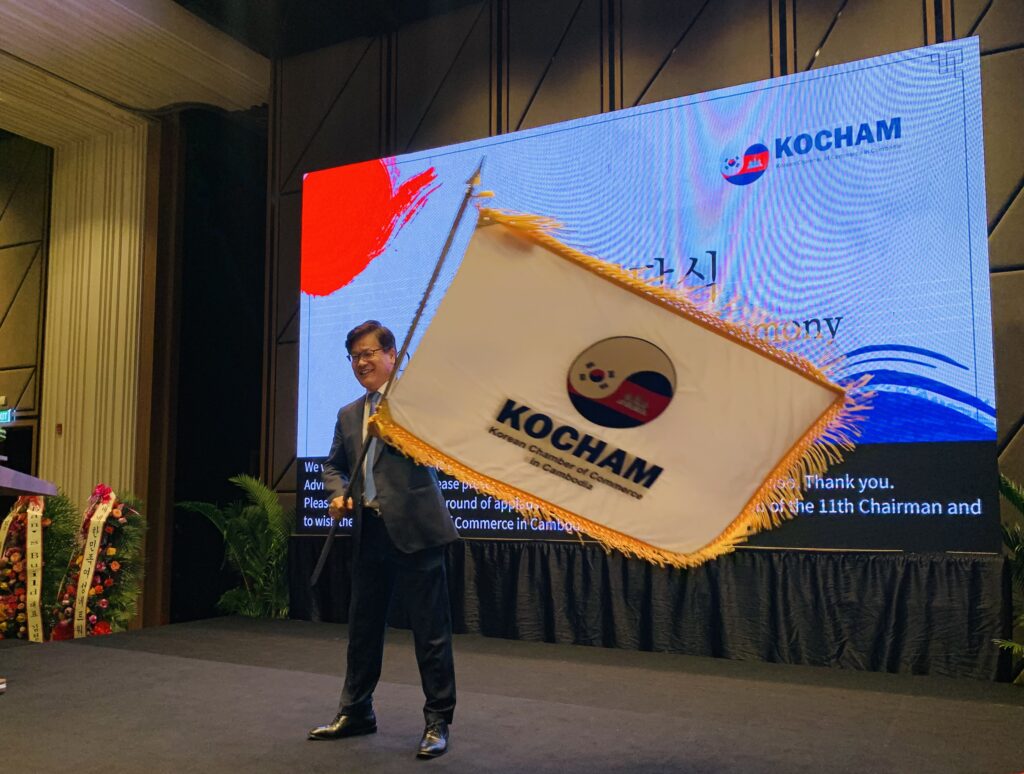
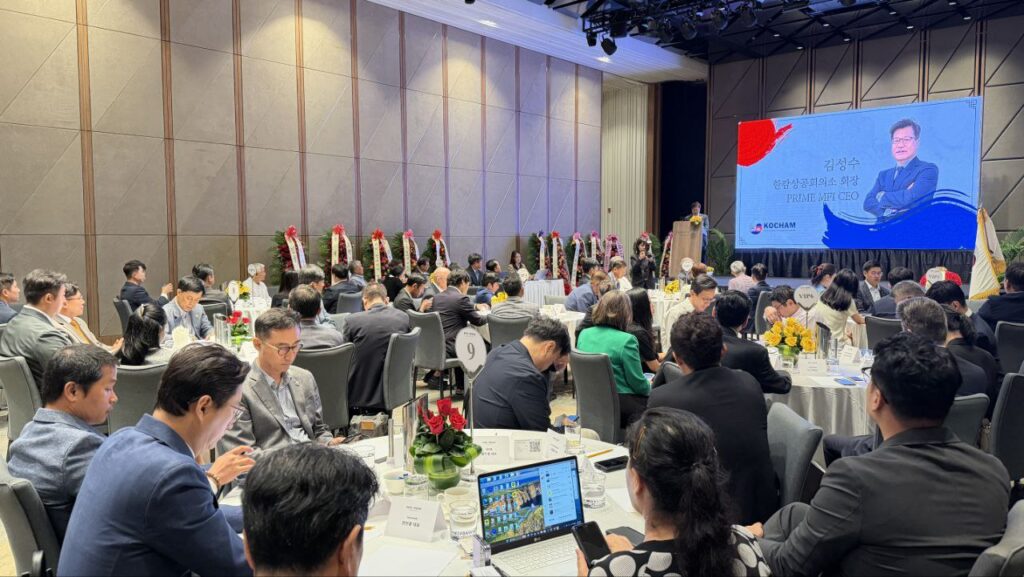
The Korea Chamber of Commerce and Industry in Cambodia (KOCHAM) formally launched its new executive structure on February 5 with the 11th Presidential Inauguration and Executive Committee Appointment Ceremony, marking the official start of Chairman Kim Seong-su’s term.
The ceremony followed Kim’s election at KOCHAM’s 20th General Assembly in December and served as a platform for the chamber to outline its future operating direction, while signaling a renewed emphasis on practical support for Korean businesses navigating Cambodia’s evolving regulatory and economic environment.
The event drew wide participation from the diplomatic, financial, and business communities, underscoring KOCHAM’s role as a growing coordination platform for private-sector dialogue in Cambodia.
Broad International and Institutional Participation
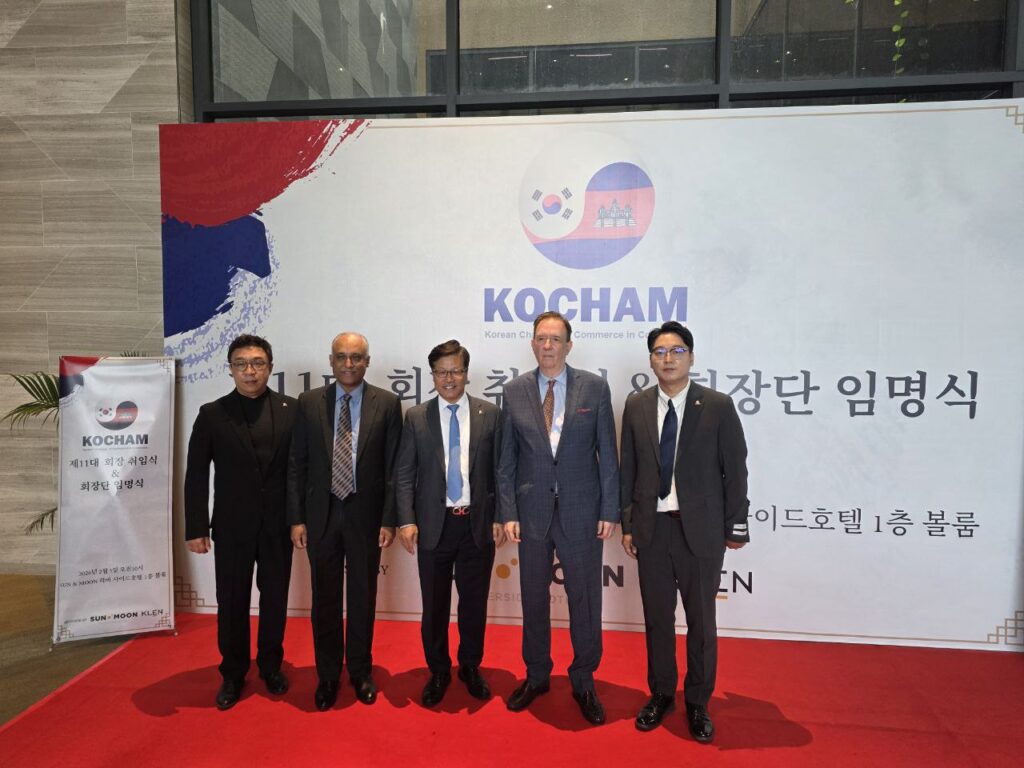
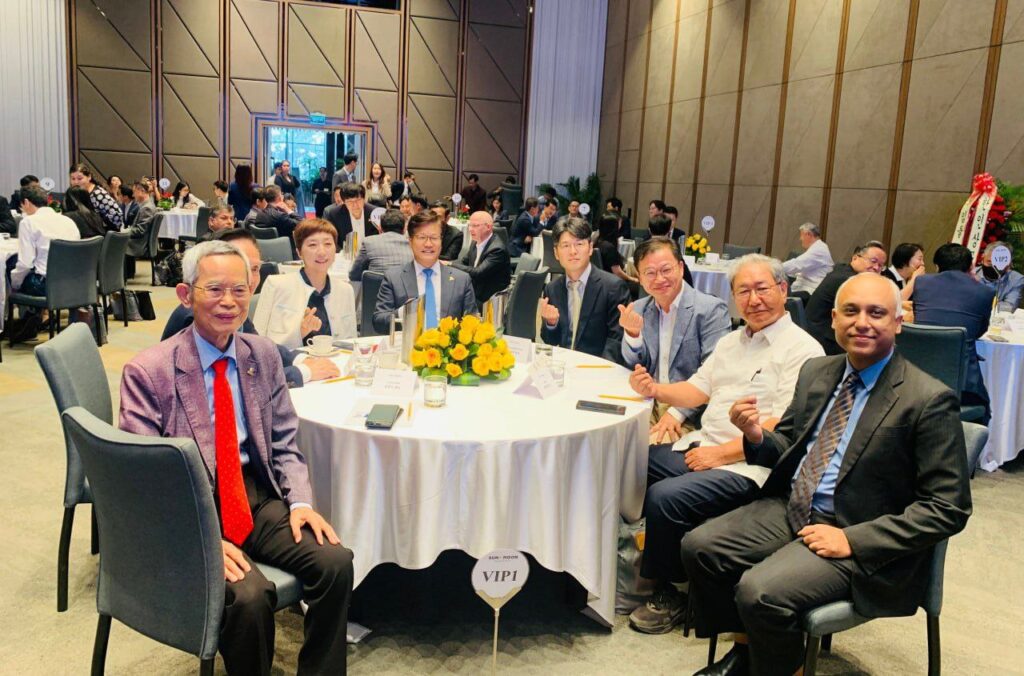
Attendees included senior representatives from regional chambers of commerce, the Cambodian government, and the Korean community. Among those present were:
- Na Yoon-jung, President of the Cambodian Chapter of the National Unification Advisory Council
- Song Dong-il, President of the Cambodian Agricultural Industry Association
- Moon Byung-soo, Vice President of Canadia Bank
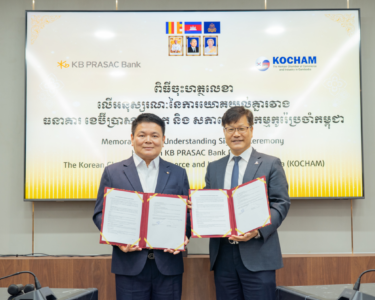
- Kim Hyun-rae, President of KB PRASAC BanK
Also attending were Anthony Galliano, Vice President of the American Chamber of Commerce in Cambodia, and Sandeep Majumdar, President of the Indian Chamber of Commerce in Cambodia.
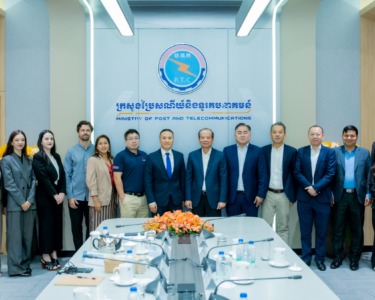
Representatives from the Cambodian Prime Minister’s Office, the Cambodian Chamber of Commerce, and the Council for the Development of Cambodia were also present, alongside Korean community leaders including Song Min-sung of the Embassy of the Republic of Korea in Cambodia.
Congratulatory remarks from chamber leaders emphasized the importance of cross-chamber cooperation and deeper coordination among private economic institutions as Cambodia’s regulatory and operating environment becomes more complex.
“Results, Not Promises”
In his inaugural address, Chairman Kim framed his leadership around measurable outcomes rather than symbolic commitments.
He highlighted growing challenges faced by businesses on the ground, including taxation, labor management, administrative procedures, and customs clearance, noting that Cambodia’s rapid economic transition has increased both opportunity and operational risk.
Kim emphasized that KOCHAM’s role should be to consolidate member concerns, communicate them clearly to relevant authorities, and help reduce uncertainty for companies operating in the Kingdom. He stressed that the chamber must function as a practical intermediary between businesses and policymakers rather than a purely ceremonial organization.
Three Strategic Priorities
Chairman Kim outlined three core priorities for his term:
- The first is strengthening member-centered support through regular, practice-focused seminars and briefings on taxation, labor regulations, visas, permits, and customs procedures. He said member concerns will be collected continuously, reviewed at monthly meetings, and shared transparently with updates on progress.
- The second priority is reinforcing policy dialogue. Kim said KOCHAM will deepen communication with institutions such as the CDC and other relevant authorities, with the goal of systematically organizing regulatory and administrative issues commonly faced by companies and presenting them through formal channels.
- The third focus is expanding trust-based networks. Kim emphasized greater collaboration across internal divisions and increased engagement with other chambers of commerce and local economic organizations to broaden opportunities for members.
Membership Recovery and Policy Engagement
Kim pointed to early results already achieved since assuming office, noting that KOCHAM’s membership base has been rebuilt to around 80 companies after a period of limited activity. He also cited ongoing coordination with chambers from multiple countries and engagement with Cambodian authorities to establish frameworks for addressing business constraints.
Looking ahead, Kim identified visa-related reforms as a key issue for Korean businesses, including proposals for visa-free entry and longer-term multi-year visa options. He also referenced discussions around auction and collateral challenges facing the financial sector, stating that meetings with the Prime Minister’s Office are scheduled to further explore these issues.
Closing the ceremony, Kim said KOCHAM aims to become a reliable guide for Korean companies in Cambodia—helping them operate more safely, confidently, and sustainably as the business environment continues to evolve.
The event concluded with a networking session, with participants expressing hope that the 11th Executive Committee would strengthen KOCHAM’s position as a practical platform for Korea-Cambodia private-sector cooperation.