

EuroCham Cambodia
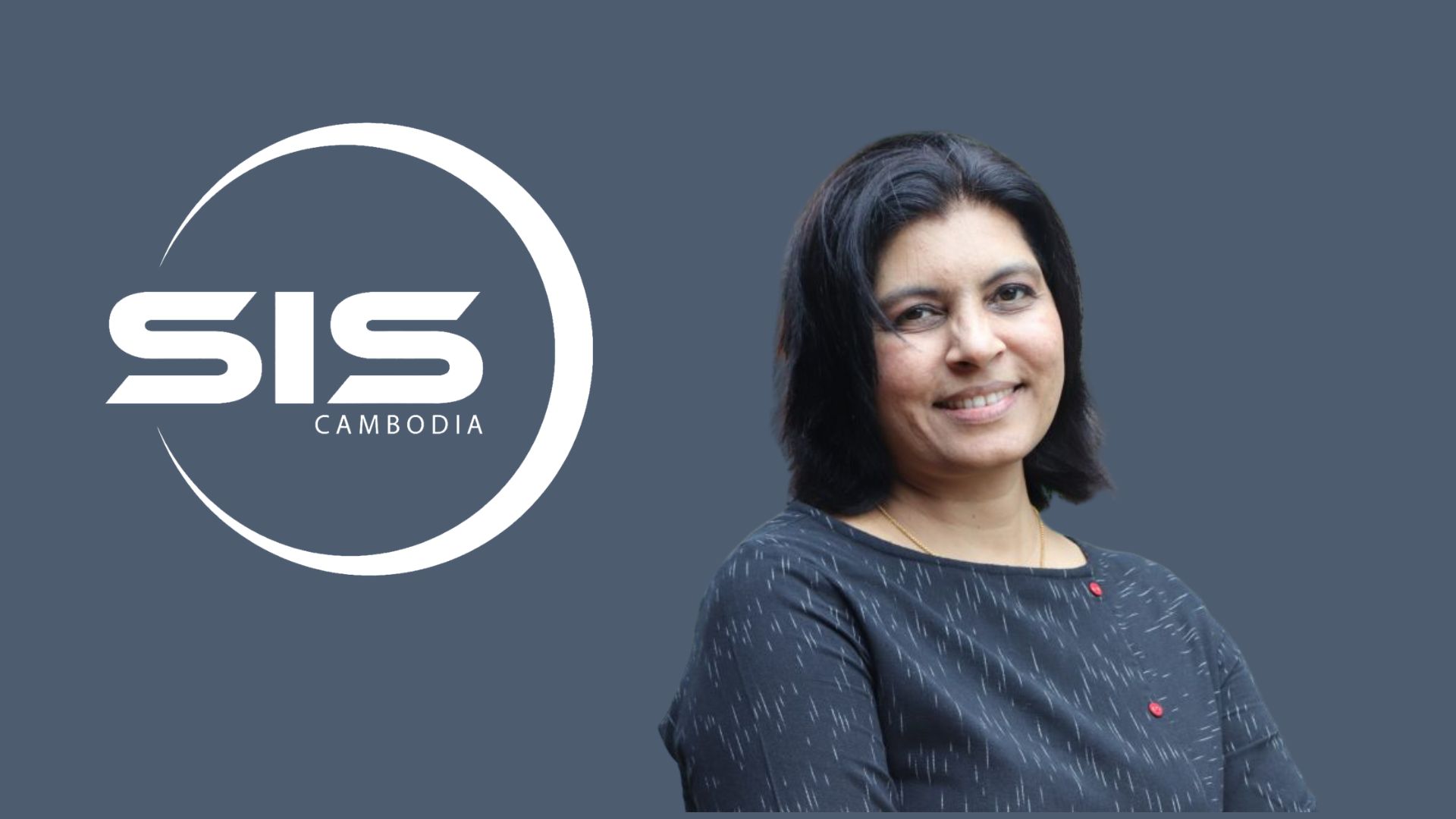
For this week’s extended interview, we sat down with Dhanita Nair, Director of the SME Resource Centre at SCAN Industrial Services, to discuss the company’s vision for strengthening Cambodia’s industrial workforce.
From addressing the country’s skills gap and building stronger links between education, industry, and manufacturing, to the recent partnership with the Ministry of Labour and Vocational Training (MLVT) and Cambodia’s ambitions to become a regional manufacturing hub, Dhanita shares how SCAN Industrial Services is working to create long-term pathways from vocational training to skilled employment while supporting the country’s industrial development.
EC: SCAN Industrial Services is a name that not many in Cambodia will have heard yet. Can you tell us who you are, where the group comes from, and what you’re trying to build here?
Dhanita: SCAN Industrial Services (SIS) is a relatively new name in Cambodia, but the vision behind it has been years in the making.
We are part of NAT Oil & Energy, a Danish industrial group founded by our Chairman and Group CEO, Tommy Christensen. Tommy brings more than 40 years of international experience across industrial engineering, oil and gas, and technical training, having built industrial businesses and workforce development programs in many parts of the world.
Tommy has lived in Cambodia since 2010, and so have I. Although we came here for different reasons, we became good friends over the years. Our conversations often returned to the same question: Cambodia has enormous potential, so how could we help unlock it?
Drawing on Tommy’s international industrial experience and my years of living and working in Cambodia, we realised there was an opportunity to connect skills development, industry and manufacturing in a way that simply didn’t exist.
Instead of continuing to talk about the challenge, we decided to build a solution. For us, success isn’t measured simply by the number of people we train. It’s measured by whether Cambodia develops the skilled workforce and industrial capability needed to compete internationally.
What we’re creating is much more than a training program or a manufacturing facility. It’s an end-to-end pathway that connects skills development with real employment and, ultimately, industrial production.
Our first platform, the SME Resource Centre, focuses on vocational skills development through Cambodia’s Technical and Vocational Education and Training (TVET) system, working closely with the Industrial Technical Institute (ITI). The second platform, SME Management, connects graduates with partner industries where they gain structured, hands-on experience while also supporting businesses to improve their operations, productivity, and workplace safety.
The third stage is our planned manufacturing facility, which will operate to European manufacturing standards. It will provide a real production environment where apprentices complete their practical certification while contributing to the manufacture of products under the “Made in Cambodia” framework.
In simple terms, our vision is “Learn. Do. Certify.”
By connecting education, industry and manufacturing, we’re helping build a workforce that is ready for modern industry while strengthening Cambodia’s ability to attract long-term industrial investment.
EC: You talk about a workforce gap in Cambodia, but what does that actually look like on the ground? What are businesses experiencing that made you decide something needed to be done?
Dhanita: For us, this isn’t an abstract development issue. It’s something businesses experience every day.
A company may be ready to invest in Cambodia, with the capital, equipment and confidence to move forward, but one of the first questions they ask is whether they can find the skilled people they need. Too often, the answer is no.
Investment follows capability. If businesses know they can find skilled people, they’re far more likely to invest.
That means businesses either reduce the scale of their investment or recruit specialists from overseas. While that can solve an immediate problem, it also brings additional costs, visa processes, work permits, and delays before production can even begin.
The challenges don’t stop there. Businesses already operating here regularly face situations where production slows because there’s no local technician available to repair equipment or no local capability to manufacture replacement parts. Every delay affects productivity, delivery schedules and operating costs.
Having lived in Cambodia for more than 16 years, I’ve seen first-hand how much talent exists here. The issue has never been a lack of potential; it’s been creating the pathways that allow people to develop industry-ready skills and build long-term careers.
Tommy and I both believe that developing industrial capability is one of the most important investments Cambodia can make. Around the world, countries have improved living standards by building strong manufacturing sectors. When industries grow, they create skilled jobs, strengthen local businesses, and generate greater value through exports.
Cambodia already has many of the ingredients needed to become a stronger manufacturing economy. What it needs is a larger pipeline of certified industrial workers and closer links between training, industry and production. That’s the gap we’re working to help close.
EC: The model you’ve built has three platforms working together – training, industry placement, and manufacturing. Can you walk us through how that works as a connected pathway rather than three separate things?
Dhanita: The easiest way to explain it is that each stage naturally leads into the next. They’re designed to work together, not as separate initiatives.
Everything begins with the SME Resource Centre, where students undertake vocational training through Cambodia’s TVET system in partnership with the Industrial Technical Institute. Here they develop the technical knowledge and practical foundations that industry expects.
But classroom learning is only part of becoming industry ready.
The next step is industry placement through SME Management. Graduates move into real workplaces under structured apprenticeship arrangements with our industry partners. They’re learning on active production sites while gaining experience alongside skilled professionals.
At the same time, SME Management works with those partner businesses to strengthen areas such as operational efficiency, workplace safety, and human resource practices. So we’re not only developing people—we’re also helping businesses build stronger workplaces.
The final stage is our planned manufacturing facility. This is where the entire model comes together.
Rather than training on simulated equipment, apprentices will work alongside experienced professionals using the same machinery, systems, and quality processes found in modern manufacturing. They’ll be producing real products for real customers while completing their practical certification.
That’s what makes the model different. Learning doesn’t stop when someone leaves the classroom. It continues through industry experience and culminates in a working manufacturing environment.
By the end of the journey, graduates won’t just hold a qualification—they’ll have genuine workplace experience, recognised skills and the confidence to contribute from day one.
EC: You signed a Memorandum of Agreement (MoA) with MLVT recently. What does that actually mean in practice, and why is a government partnership so central to what you’re doing?
Dhanita: Signing the MoA with the Ministry of Labour and Vocational Training (MLVT) on 8 July was a significant milestone for us. It reflects a shared commitment to strengthening Cambodia’s industrial workforce over the long term.
The agreement establishes a five-year partnership to progressively upgrade the Metal Engineering and Sheet Metal Welding Department at the Industrial Technical Institute (ITI), helping align training with the skills that modern industry requires.
In practical terms, that means several things. ITI trainers will participate in a structured Train-the-Trainer program developed in collaboration with Danish Technical Schools, ensuring that new knowledge and teaching methods become embedded within Cambodia’s own vocational education system.
The partnership also creates opportunities for businesses to invest in the development of their workforce through professional training programs delivered at ITI. Those programs help generate revenue that supports the long-term sustainability of the initiative, while graduates are connected directly to employment opportunities through our SME network.
For us, the partnership with MLVT is fundamental because we are not trying to build a separate system alongside Cambodia’s existing framework. We want to strengthen what is already in place.
Cambodia has invested significantly in its TVET system and has a clear vision for workforce development. Our role is to contribute international industry experience, technical expertise and strong industry connections that help translate that vision into practical outcomes.
We believe that lasting change happens when government, education and industry work together. That’s the approach we’ve taken from day one, and it’s what gives us confidence that this model can continue delivering benefits well into the future.
EC: The T3 manufacturing facility is a significant part of the long-term vision. What are you building there, and why does it matter for Cambodia’s position as a manufacturing destination?
Dhanita: T3 is where our long-term vision really comes to life.
We’re planning a modern manufacturing facility that brings together fabrication, machining, electrical and PLC assembly, engineering, warehousing, and production under one roof. It will be developed over approximately five years, with around two years dedicated to construction, fit-out, and commissioning before manufacturing begins.
What makes the facility different is that it won’t simply be a factory, and it won’t simply be a training centre. It will be both.
That approach gives people far more than technical knowledge. It develops confidence, problem-solving skills and an understanding of how quality, safety, and productivity come together in a working industrial environment.
It also addresses another important challenge. Manufacturing doesn’t only need machine operators; it also needs technicians who can maintain equipment, troubleshoot problems, and keep production running efficiently. Those are skills that employers consistently tell us are in short supply.
From an investment perspective, that’s incredibly important.
When international manufacturers assess a new location, one of the biggest questions they ask is whether they can rely on the local workforce. Our ambition is to help answer that question with confidence.
By creating a pipeline of certified workers who have trained in a genuine manufacturing environment, we’re helping position Cambodia as more than a competitive labour market. We’re helping demonstrate that Cambodia has the capability, skills and industrial capacity to support higher-value manufacturing for the long term.
Our goal is simple: when international manufacturers think about where to invest next, we want Cambodia to be part of that conversation.
EC: As a member of EuroCham Cambodia, how do you see collaboration with European businesses, industry leaders and development partners strengthening the SME ecosystem?
Dhanita: Joining EuroCham was a very deliberate decision for us. It wasn’t simply about becoming a member—it was about becoming part of a community that shares many of the values we believe are essential for Cambodia’s industrial future.
European businesses have a strong reputation for building long-term partnerships and maintaining high standards in areas such as quality, sustainability, workplace safety, and governance. Those are exactly the areas where Cambodian SMEs can continue to grow as they become part of international supply chains.
But knowledge doesn’t transfer through documents alone. It happens through collaboration, shared experiences, and trusted relationships.
That’s where we see EuroCham playing such an important role. It creates opportunities for European companies and Cambodian businesses to work together, whether that’s through supply chain partnerships, sharing technical expertise, improving ESG practices or helping local businesses understand what international markets increasingly expect.
At SIS, we bring strong relationships with the government, vocational education institutions and Cambodia’s business community. EuroCham brings a network of experienced European businesses, technical expertise and access to international partnerships.
Together, those strengths create opportunities that neither side could achieve alone.
We’re still at the beginning of that journey, but we’re excited about what’s possible. If we can help more Cambodian SMEs meet international expectations while giving European businesses greater confidence to invest locally, everyone benefits.
EC: Looking ahead to 2030 and Cambodia’s ambition to reach upper-middle-income status, what role do you believe SMEs can play in achieving that vision, and how will the SME Resource Centre contribute to making it a reality?
Dhanita: I believe SMEs will play one of the most important roles in Cambodia’s journey towards becoming an upper-middle-income country.
They’re the backbone of the economy. They create jobs, support families, encourage innovation, and strengthen local communities. When SMEs grow, the benefits extend well beyond individual businesses—they contribute to broader economic resilience and long-term prosperity.
Having lived in Cambodia for more than 16 years, I’ve seen just how much talent and ambition exists here. What many businesses need isn’t more potential—it’s greater access to skills, opportunities, and industry connections that allow that potential to flourish.
That’s where we believe we can make a meaningful contribution.
Through our partnership with MLVT and the Industrial Technical Institute, we’re helping develop a stronger pipeline of skilled industrial workers. Through our industry placement model, graduates gain practical experience in real workplaces, building the confidence and capabilities employers are looking for. And through our planned manufacturing facility, we’re working towards creating an environment where people can continue learning while contributing to production that meets international expectations.
For me, it’s about creating a complete pathway—from learning, to employment, to long-term careers.
If Cambodia is to move further up the manufacturing value chain, it needs more than skilled people. It needs businesses that are confident to invest, industries that can compete internationally and a workforce that is recognised for its capability.
That’s the future we’re working towards.
I hope that by 2030, SCAN Industrial Services and the SME Resource Centre will be recognised not simply for delivering training, but for strengthening Cambodia’s industrial capability, creating opportunities for Cambodian workers and supporting businesses to grow with confidence.
I’m incredibly optimistic about what’s possible. The talent is here. The ambition is here. If we continue bringing government, education and industry together, I truly believe Cambodia can become one of Southeast Asia’s most exciting manufacturing success stories.


