
EuroCham Cambodia
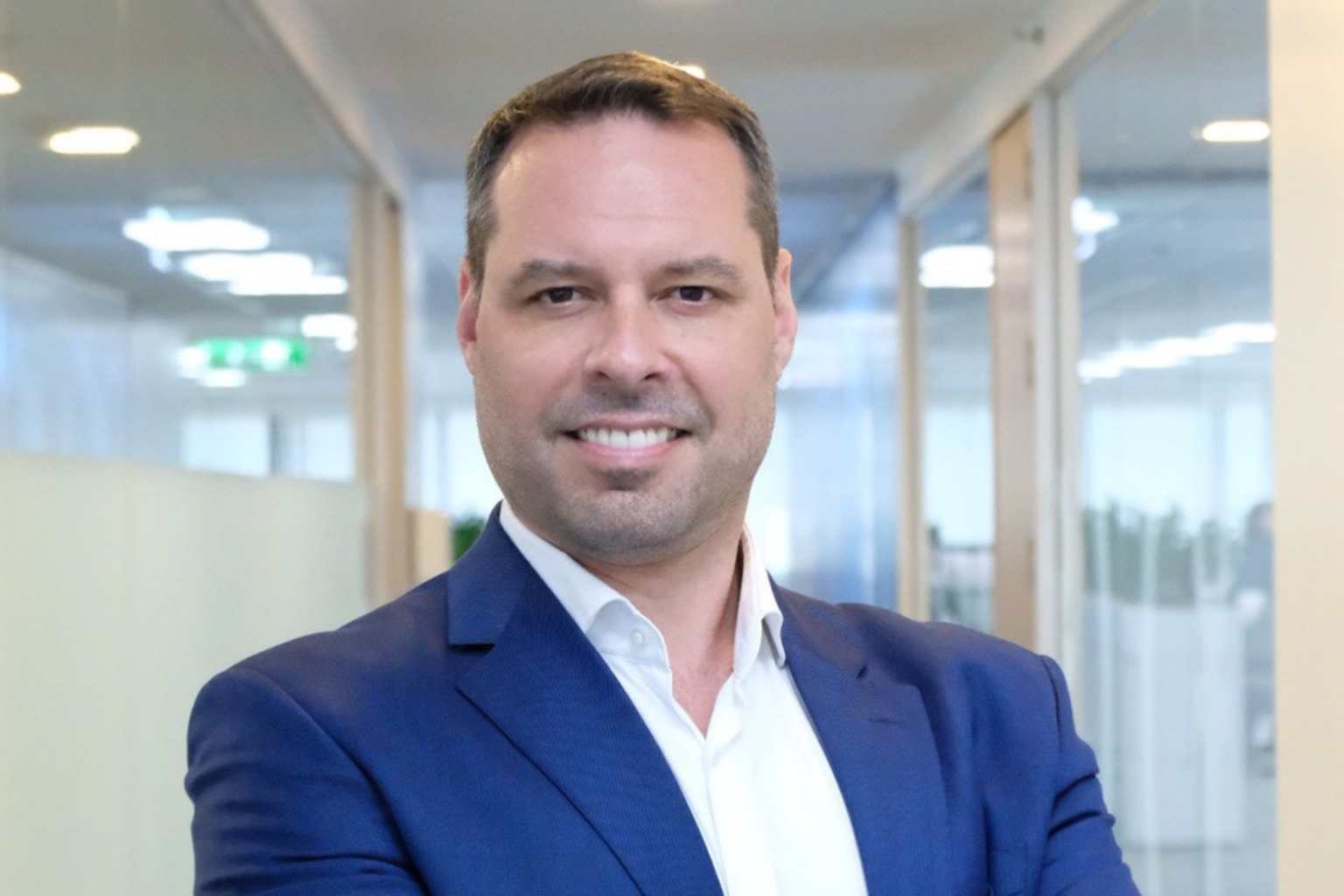
We spoke with Philippe Klemm, National Sea Logistics Manager at Kuehne+Nagel, about the company’s partnership with TEC Srun and what it means for Cambodia’s logistics sector.
We discussed how the partnership combines Kuehne+Nagel’s global network with TEC Srun’s local expertise, the new Container Freight Station at the TEC Srun Dry Port set to triple handling capacity by 2027, and Cambodia’s growing role as a manufacturing and trade hub in the region.
Philippe shared what drove Kuehne+Nagel’s investment in Cambodia, how the partnership evolved into a long-term strategic collaboration rather than a simple customer-supplier relationship, and where he sees the two companies heading as trade volumes continue to grow.
Read More: Cambodia, Vietnam Fast-Track Bavet–Moc Bai Expressway Link With 2030 Target
Could you start by telling us a little about yourselves and your role overseeing Sea Logistics for Kuehne+Nagel? And how did the partnership between TEC Srun and Kuehne+Nagel come about?
My role at Kuehne+Nagel is to oversee our Sea Logistics business across the cluster (Thailand, Cambodia and Myanmar), ensuring we provide reliable, efficient, and innovative supply chain solutions for our customers. Sea freight remains the backbone of global trade, and our focus is on connecting Cambodia and the wider region to international markets through a resilient logistics network.
The partnership with TEC Srun developed naturally because both companies share a similar vision. Kuehne+Nagel brings global reach, international expertise, and strong customer relationships, while TEC Srun brings deep local market knowledge, infrastructure, and nearly three decades of operational excellence in Cambodia.
As Cambodia’s trade volumes continue to grow, we saw an opportunity to combine our strengths to create a best-in-class logistics solution. Rather than simply being a customer-supplier relationship, we have built a long-term strategic partnership focused on supporting Cambodia’s economic development and providing greater value to exporters and importers.
TEC Srun has built nearly three decades of experience in Cambodia’s logistics sector, while Kuehne+Nagel brings a global network spanning over 100 countries. What made this partnership work, and what does each side bring to it that the other couldn’t easily achieve alone?
The success of the partnership is built on complementarity and trust.
Kuehne+Nagel operates one of the world’s largest logistics networks, serving customers across more than 100 countries. We bring global connectivity, advanced digital capabilities, international best practices, and access to worldwide freight flows.
TEC Srun contributes extensive local expertise, strong relationships within Cambodia’s logistics ecosystem, and high-quality infrastructure that is tailored to the needs of the local market.
Neither of us could achieve the same results as efficiently on our own. Global reach without strong local execution has limitations, and local capabilities become even more powerful when connected to a worldwide network. Together, we can offer customers both international scale and local excellence.
Kuehne+Nagel recently broke ground on a new 20,000-square-metre Container Freight Station at the TEC Srun Dry Port in Phnom Penh, more than tripling its local handling capacity by 2027. What’s driving this investment?
This investment is fundamentally driven by confidence in Cambodia’s future.
Over the past several years, Cambodia has continued to develop as an important manufacturing and sourcing hub. We are seeing growing demand from sectors such as garments, footwear, travel goods, electronics, and diversified manufacturing.
Customers increasingly expect efficient consolidation, faster cargo handling, greater visibility, and scalable logistics solutions. The new Container Freight Station addresses these requirements by significantly increasing handling capacity, improving operational efficiency, and creating room for future growth.
For Kuehne+Nagel, this investment reflects a long-term commitment to Cambodia. We are not just responding to current demand; we are preparing for the future logistics needs of the market.
How does a market like Cambodia, with strong local players like TEC Srun already established, factor into Kuehne+Nagel’s regional strategy?
Cambodia is an increasingly important market within our regional Southeast Asia strategy.
While the market may be smaller than some neighboring economies, its growth potential is significant. We see strong opportunities in manufacturing, cross-border supply chains, e-commerce support, and logistics infrastructure development.
A key part of Kuehne+Nagel’s strategy is building strong partnerships with leading local companies. Markets thrive when global expertise and local knowledge work together. TEC Srun is an excellent example of that approach. Their understanding of the Cambodian market combined with Kuehne+Nagel’s global capabilities allows us to create solutions that are highly relevant for customers operating both locally and internationally.
As the new CFS comes online in 2027 and Cambodia’s ports continue to grow in throughput, how do you see the TEC Srun–Kuehne+Nagel partnership evolving over the next few years?
I believe the partnership will continue to deepen and expand. The new Container Freight Station is an important milestone, but it is only one step in our journey. We see opportunities to further enhance operational excellence, digitalization, sustainability initiatives, and customer service capabilities.
As cargo volumes grow, we want to establish Phnom Penh and Cambodia more broadly as an increasingly important logistics gateway within the region. Our goal is to continue investing together in infrastructure, technology, and talent to support customers and contribute to Cambodia’s economic growth.
More broadly, where do you see Cambodia’s logistics sector heading, and what role do you think chambers like EuroCham can play in supporting European-Cambodian business partnerships like yours?
Cambodia’s logistics sector is entering a very exciting phase. We are seeing improvements in infrastructure, increasing trade flows, greater investment in industrial development, and continued integration with regional and global supply chains. Over time, I expect the sector to become more efficient, more digital, and more connected.
Organizations such as EuroCham play a valuable role in supporting this progress. They create platforms for dialogue between the private sector and policymakers, facilitate investment opportunities, promote best practices, and help strengthen business relationships between European and Cambodian companies.
Partnerships like the one between TEC Srun and Kuehne+Nagel demonstrate how international expertise and local capability can come together to create positive outcomes for businesses, customers, and the broader economy.