


Cambodia Investment Review
Cambodia’s expanding trust sector is emerging as a potential channel for foreign investment into its struggling property market, although industry experts say stronger ownership protections alone will not revive stalled developments.
Registered trusts now cover more than 2,200 cases valued at nearly US$3 billion, according to figures cited by Trust Regulator Director-General Sok Dara in a report by local media outlet Kiripost. That compares with just 17 registered cases in 2021.
The growth comes as Cambodia’s real estate sector continues to adjust following its construction boom, with investors weighing lower property prices against concerns over demand, unfinished projects and legal certainty.
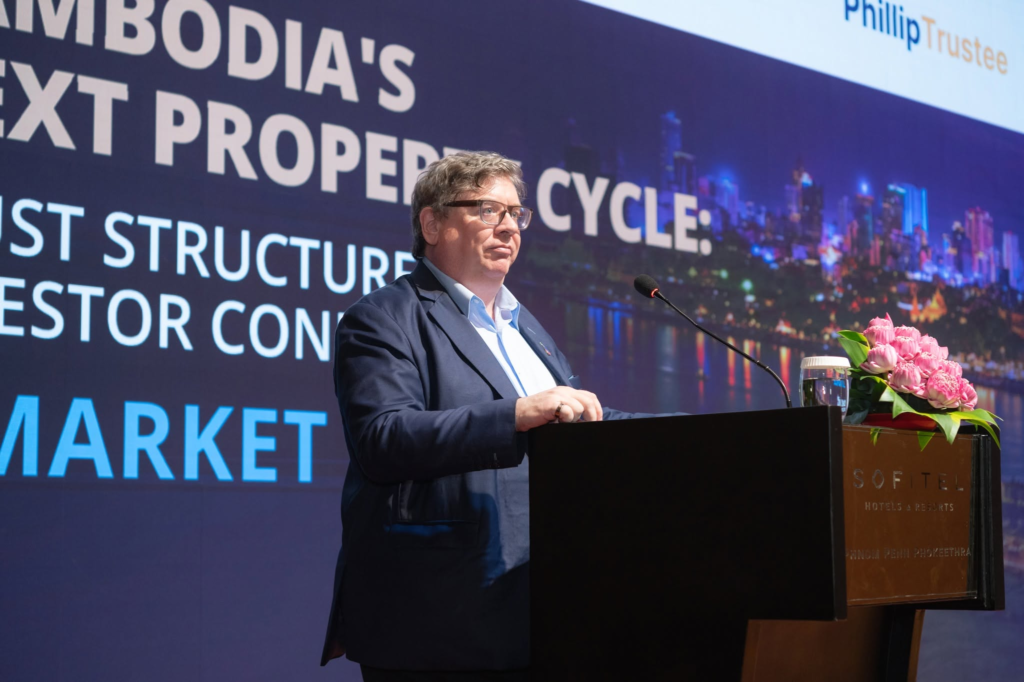
Speaking at an American Chamber of Commerce in Cambodia real estate seminar, regulators and business leaders highlighted the role of regulated trusts in strengthening investor protection and improving confidence in property transactions.
A More Structured Route for Foreign Capital
Cambodia’s trust framework allows a licensed trustee to hold legal title to assets on behalf of beneficiaries. For foreign property investors, this provides a regulated structure for investment in land-backed assets while retaining beneficial rights.
Read More: Building Trust Through Values: What It Means To Be a Singaporean Bank in Cambodia
Foreign nationals remain prohibited from directly owning land under Cambodia’s Constitution. Trust arrangements separate the legal title held by the trustee from the investor’s beneficial interests.
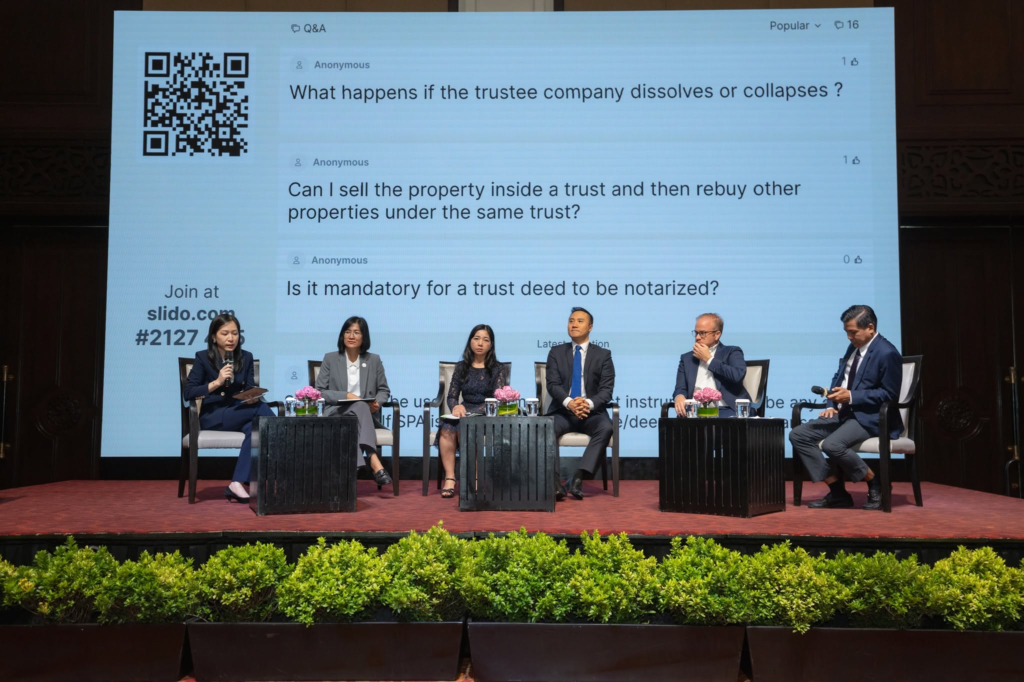
According to Kiripost’s reporting, Sok Dara said the framework supports asset protection, succession planning, escrow arrangements and the separation of trust assets. He reported that more than 1,000 real estate trusts had been established for foreign investors.
He also highlighted legal risks associated with nominee arrangements, where property is registered in another person’s name, potentially complicating an investor’s ability to establish their rights during a dispute.
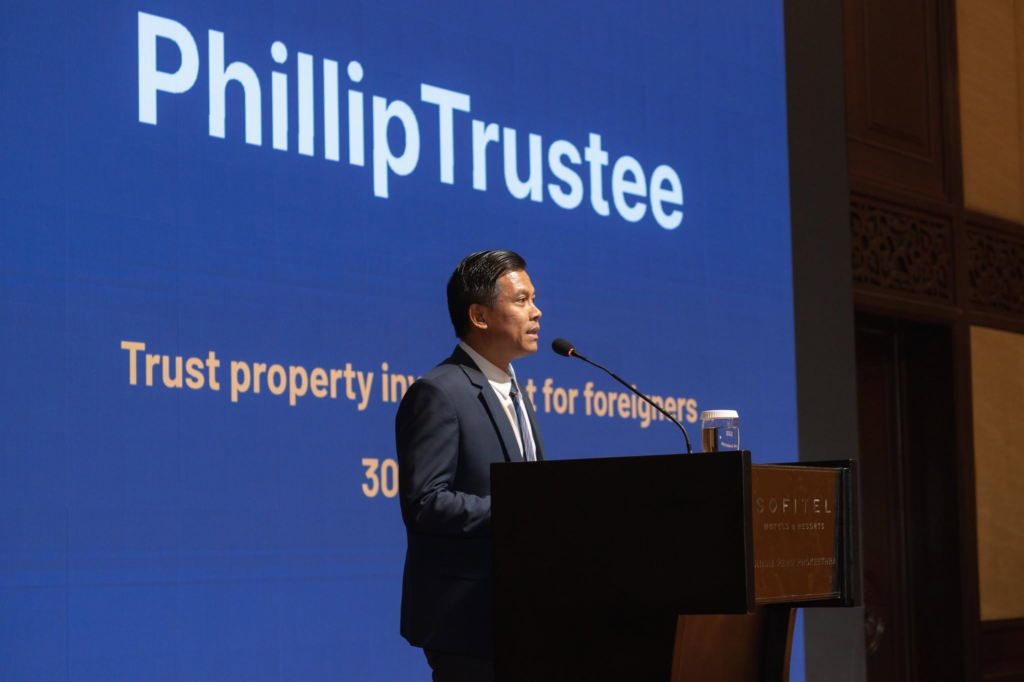
Proeung Sopheap, general manager of Phillip Trustee Cambodia, told the seminar that licensed corporate trustees provide a structure through which foreign investors can manage property interests and plan for their transfer to heirs.
The discussions reflected a broader push to make legal safeguards and transparent investment structures a stronger part of Cambodia’s property market.
Stalled Projects Face Wider Commercial Challenges
Despite the sector’s growth, property specialists cautioned that trust structures address only part of the challenge facing unfinished developments.
Kim Kinkesa, managing director of APS Cambodia, told local media that regulated trusts could strengthen foreign investor confidence, but the viability of stalled projects would still depend on purchase prices, completion costs, outstanding debts and legal disputes.
Market demand and surrounding development, including infrastructure, population growth and commercial activity, would also influence investment decisions. Government incentives could help attract capital to suitable projects, she indicated.
Nget Chou, chairman of F.I Vision Capital, told local media that fresh capital inflows could support transactions and encourage reinvestment. Property owners who sell at a profit may use some of the proceeds to acquire other assets, helping activity circulate through the market.
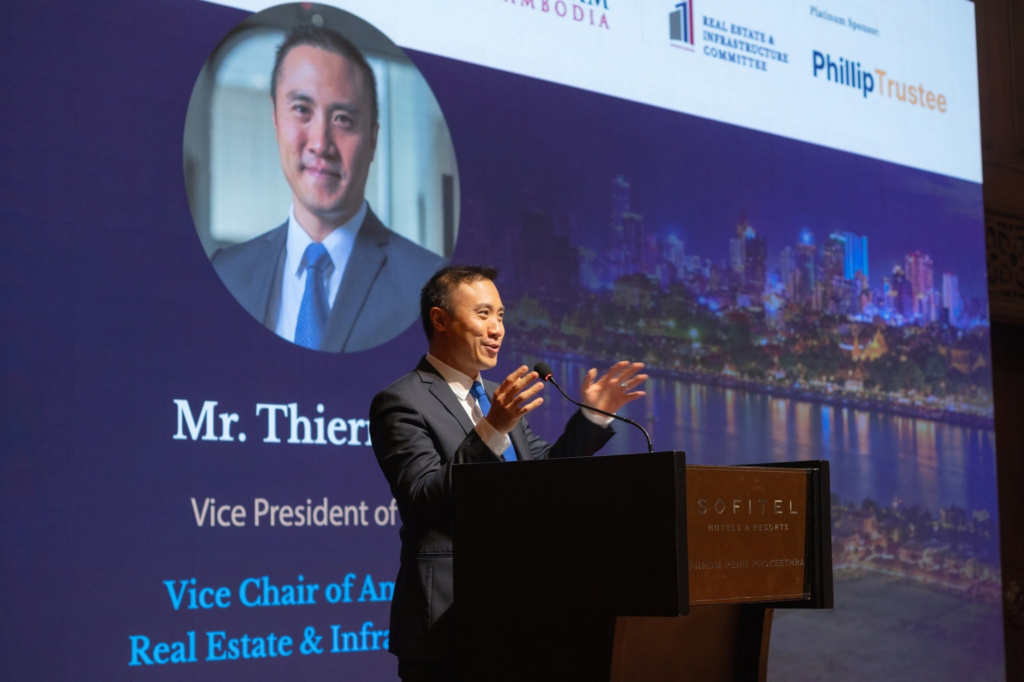
Thierry Tea, vice president of OCIC Group, said at the seminar that Cambodia needed greater transparency to strengthen its appeal to international investors following several difficult years across property, construction, tourism, retail and hospitality.
According to Kiripost, he pointed to infrastructure investment and international hotel developments as foundations for future growth, while stressing that investor confidence remained essential to competing with regional markets.
Lower Prices Shift Buyer Interest
The prolonged slowdown is also changing what buyers are looking for.
Tom O’Sullivan, chief executive of Realestate.com.kh, told the seminar that oversupply in Phnom Penh had prompted developers to offer some of the lowest prices seen in more than a decade.
He said demand was concentrated on completed, ready-to-occupy properties offered below prevailing market values. Interest among foreign retail investors in acquiring landed property through regulated trusts had also increased significantly over the past 18 months.
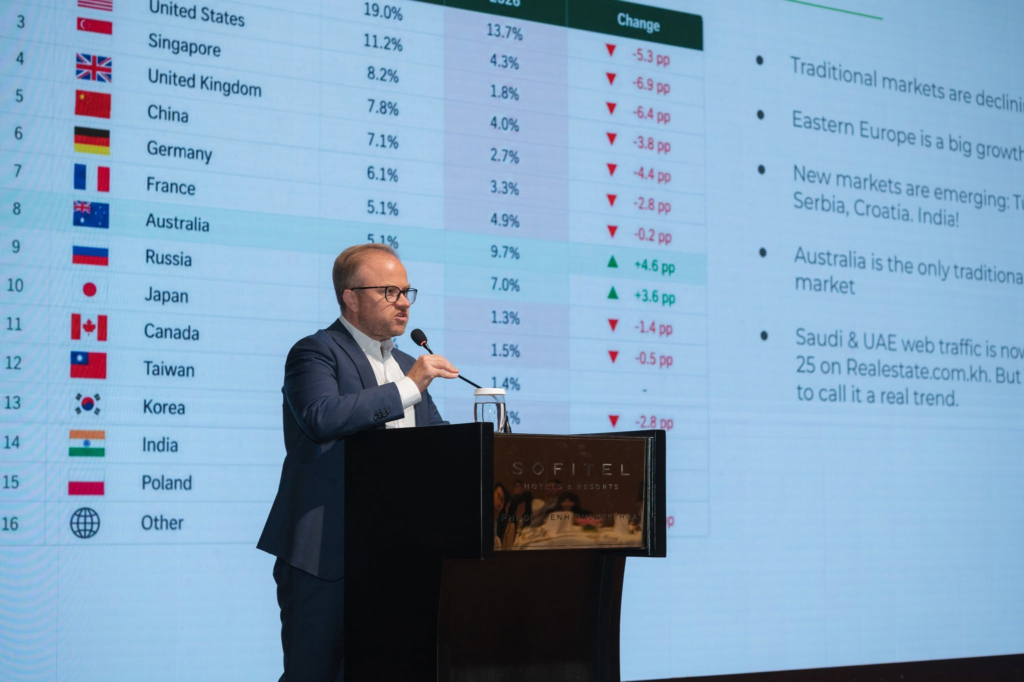
In Siem Reap, O’Sullivan described demand from expatriates, retirees and digital nomads purchasing homes for their own use, pointing to a different buyer profile from speculative investment.
For Cambodia’s property sector, the opportunity rests on connecting more secure investment structures with commercially viable assets. Trusts may help improve confidence in how property is held and managed, but a broader recovery will depend on demand, pricing and the ability to resolve the financial and legal obstacles surrounding stalled projects.