

By Suon Mach
When prices rise or incomes fall, governments often send money directly to households. The logic seems simple. Families get extra cash, they spend it, shops and farms sell more, and the wider economy picks up.
This reasoning sits at the heart of Keynesian economics, which holds that public spending can keep demand going when private spending slows.
But does handing money to households actually lift the whole economy? That question is less settled than it first appears. In her 2025 paper, Do Temporary Cash Transfers Stimulate the Macroeconomy? Evidence from Four Case Studies, the Standford American economist Valerie A. Ramey looks at four episodes of temporary cash transfers: two in the United States, one in Singapore and one in Australia.
She finds that these payments produced little or no meaningful boost to the economy as a whole. Households did receive extra money but overall output barely moved.
Part of the explanation is that people don’t spend every dollar they receive. Some save it, some use it to pay off debts, and some spend it on imported goods. In each case, the extra income doesn’t turn into an equal rise in domestic production.
What this means for Cambodia?
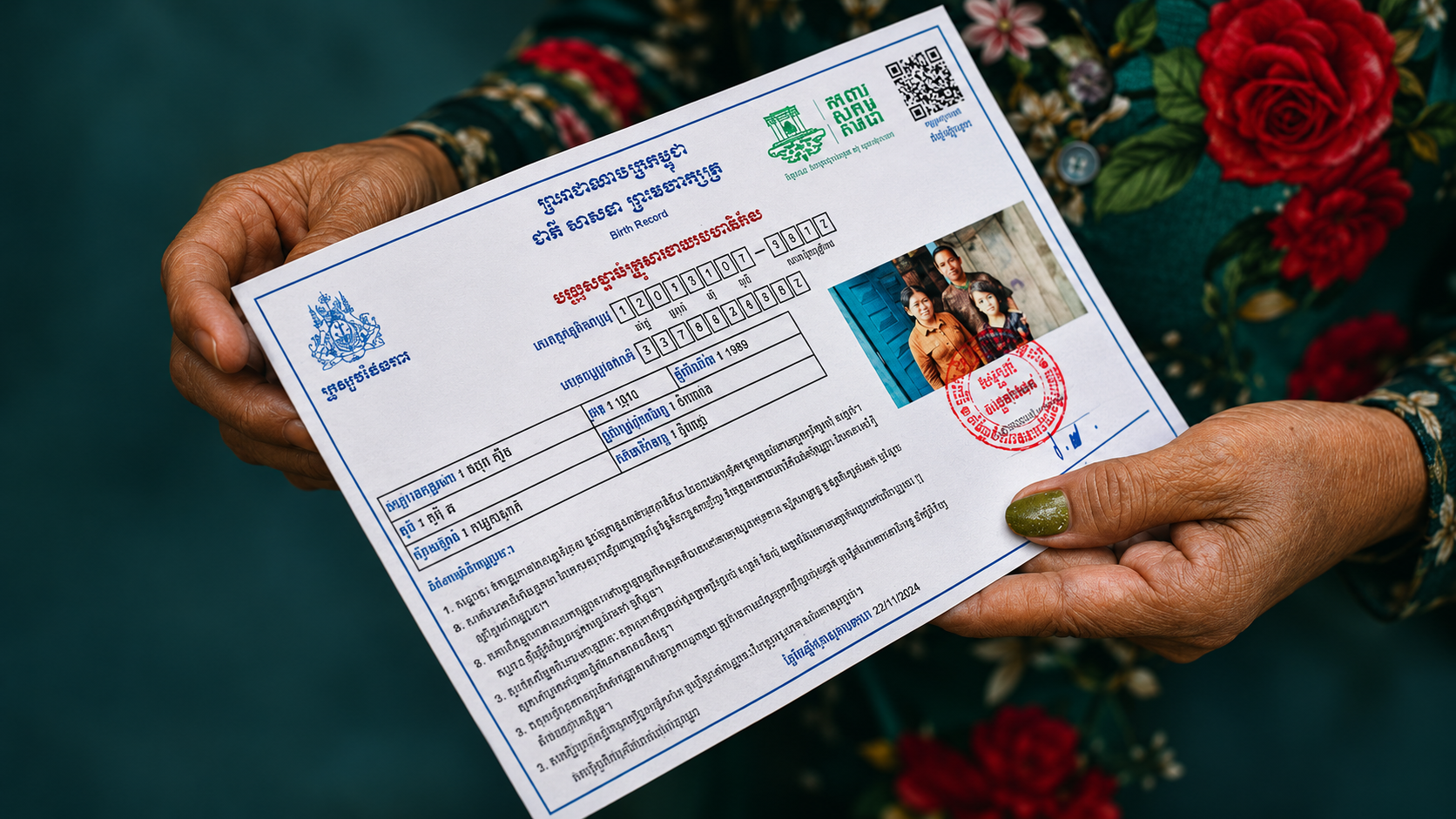
Cash transfers clearly matter in Cambodia, and their main job there is protecting people. During the COVID-19 pandemic, the Government began a cash transfer program aimed at poor and vulnerable households identified through the ID Poor program.
According to the World Bank, the program reached roughly 690,000 households, or about 2.7 million people, by 2022. It helped cushion the rise in poverty that the pandemic brought.
Still, reducing poverty and driving economic growth are two different things. Consider a household that receives $40 in assistance. If it buys rice, vegetables, and other basics, that money flows straight to local vendors and farmers, which is exactly what policymakers hope for.
If the family instead uses the money to pay down a loan or buys imported goods, the boost to domestic production is much smaller.
Neither outcome makes the transfer a failure. It just means the program should be judged by what it was meant to do, reduce poverty, improve food security, support household welfare, and steady the economy during a shock.
Beyond temporary help
Ramey’s findings point to a clear lesson. Cash transfers should not be treated as a growth strategy on their own.
Social assistance works best when it sits alongside longer-term investment in education, health care, agriculture productivity, infrastructure and jobs. When support is linked to building skills and human capital, families have a better chance of moving from short-term relief to steady work and income.
Cambodia would also benefit from studying its own programs more closely. Policymakers need to know how much of the extra spending stays in local markets, how much supports nearby businesses and workers, and how much leaks out through imports or debt repayment. These answers would make future decisions far more informed.
Ultimately, the real question isn’t how much money the government hands out. It’s whether public spending improves people’s lives and strengthens the economy’s ability to produce.
Suon Mach is a second-year master’s degree student in Development Studies at the Royal University of Phnom Penh.


