
Cambodia Investment Review
The Asian Development Bank (ADB) has approved a $763 million investment program aimed at strengthening Cambodia’s water security and building climate-resilient cities, marking one of the country’s most significant commitments to urban infrastructure and public services. The financing includes a $20 million grant from the Asian Development Fund (ADF) and is expected to expand access to safe water, sanitation, and climate-resilient services nationwide.
Strengthening Urban Water and Sanitation Systems
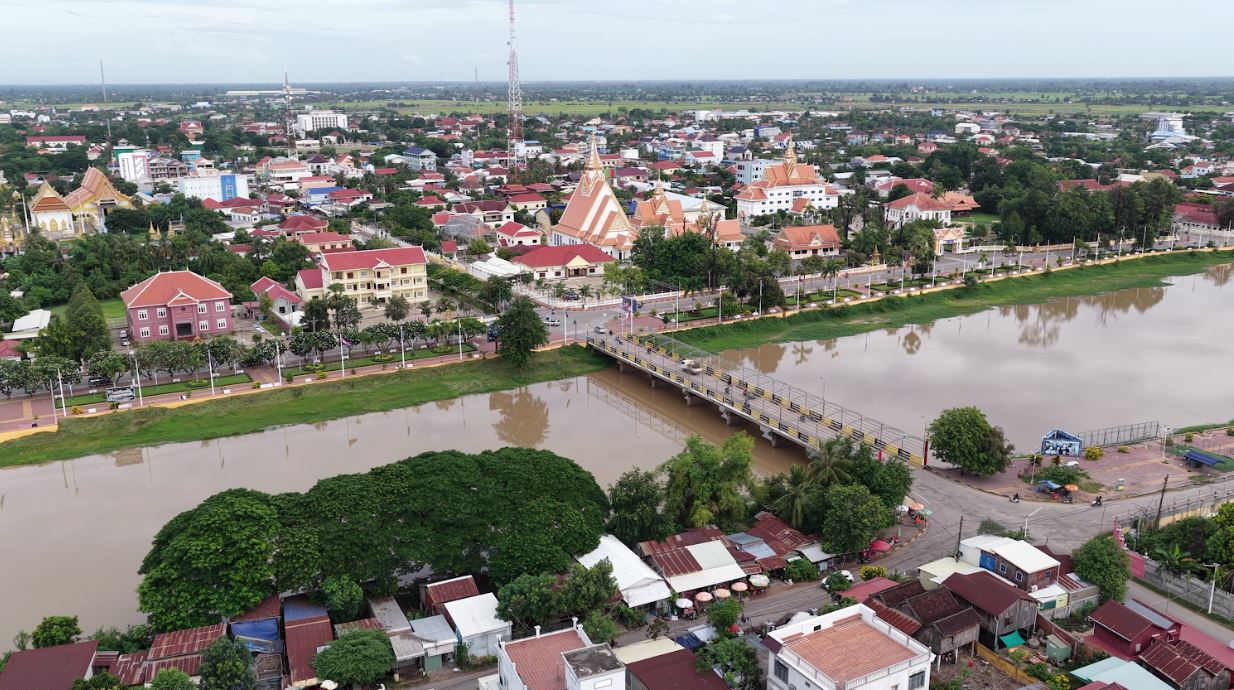
Under the Livable, Resilient, and Water-Secure Cities Investment Program, the initiative will improve urban services across 14 cities and 12 districts in the Mekong, Tonle Sap, and coastal regions. The program is set to benefit more than two million people, with approximately 15% of direct beneficiaries coming from low-income households.
ADB Country Director for Cambodia Yasmin Siddiqi said the investment will drive both economic and social outcomes, noting that climate-resilient water and sanitation systems are essential to strengthening productivity, public health, and competitiveness in fast-growing urban areas. The program is also structured to ensure that the most vulnerable communities receive access as services expand.
Read More: ADB Appoints Yasmin Siddiqi as New Country Director for Cambodia
Responding to Climate Pressures and Rising Urbanisation
Cambodia has achieved strong progress in recent years, with access to basic water and sanitation reaching nearly 83% in 2024, up from 73% and 54% respectively in 2015. But rapid population growth is increasing demand, and areas such as sewerage, drainage, and solid waste management require significant upgrades to match changing needs and withstand more frequent extreme weather events.
More than half of Cambodia’s population is currently exposed to climate-related risks, and annual climate-linked damages could reach $10.6 billion by 2050 without stronger adaptation measures. Urban centres are particularly vulnerable as the country’s urban population is projected to expand by nearly 48% — from 4.6 million in 2024 to 6.8 million by 2040.

Why the investment matters for Cambodia’s cities
• Rising urban population projected to reach 6.8 million by 2040
• Growing demand for water, sanitation, drainage, and solid waste services
• Flooding and extreme weather increasing economic losses and public health risks
• More resilience and reliable utilities expected to enhance productivity and quality of life
Phased Investment to Ensure Long-Term Sustainability
The investment aligns with the Royal Government of Cambodia’s goals for urban resilience, poverty reduction, and progress toward the Sustainable Development Goals. It focuses not only on immediate service expansion but also on long-term sustainability through climate-proof utilities and institutional capacity building.
The program will be implemented in four phases, supported by an estimated total cost of $966 million. The phased approach is designed to match the capacity of implementing agencies, incorporate lessons learned, and offer flexibility as needs evolve over time. Each tranche will build on progress from the previous phase, reinforcing overall performance and helping ensure sustainable outcomes.
The ADF — which supports the poorest and most climate-vulnerable countries in Asia and the Pacific — is expected to play a key role in ensuring equitable access for disadvantaged communities. During 2021–2024, the fund helped 384,000 people emerge from poverty and supported the creation of about 500,000 jobs.
ADB remains one of the region’s leading multilateral development banks supporting sustainable growth, climate adaptation, and inclusive development through partnerships with governments and the private sector. With Cambodia’s rapid urbanisation and rising climate pressures, the newly approved investment is positioned to play a central role in shaping the country’s next decade of urban transformation.