

Cambodia Investment Review
The International Business Chamber of Commerce has highlighted eight leading member firms for their dedication to Environmental, Social, and Governance (ESG) principles, marking a shift towards sustainability in business. Trevor Sworn, Director of Enduring Consultancy, defined ESG as a comprehensive framework that transcends traditional Corporate Social Responsibility, focusing on governance, social impact, and environmental stewardship. Sworn emphasized the importance of leadership in embedding ESG values into strategic decisions, impacting everything from resource use to community engagement.

He outlined the ESG’s three pillars: Governance, involving internal practices; Social, the company’s community and stakeholder interactions; and Environmental, concerning ecological footprint and resource management. Sworn urged businesses to integrate ESG principles into their leadership to drive meaningful change, stating that companies are now evaluated not just on financial performance but on their environmental and social contributions as well.
Rosewood Phnom Penh: Pioneering Sustainable Luxury through ESG Initiatives
Rosewood Phnom Penh, under the leadership of Managing Director Daniel Simon, has emerged as a frontrunner in the incorporation of Environmental, Social, and Governance (ESG) initiatives. The luxury hotel’s commitment to ESG is evidenced by a suite of programs including a Trainee Program, paid Volunteer Hours, and a concerted effort to eliminate single-use plastics in guest contact areas. In an impressive environmental feat, the hotel aims to reduce landfill waste by 85% and has established a Hydroponic Garden, indicative of its dedication to sustainable practices.
Read More: A New Era For Cambodian Workspaces – Sustainability, Lifestyle & Technology Take Priority
The ESG initiatives are integral to Rosewood’s ethos, as expressed by Daniel Simon. The “Rosewood Impacts” philosophy is driven by a mission to inspire and enrich society, ensuring that the company’s operations positively affect both people and the planet. This philosophy is deeply embedded in the company’s culture, shaping its approach to supplier relationships and sustainable sourcing.
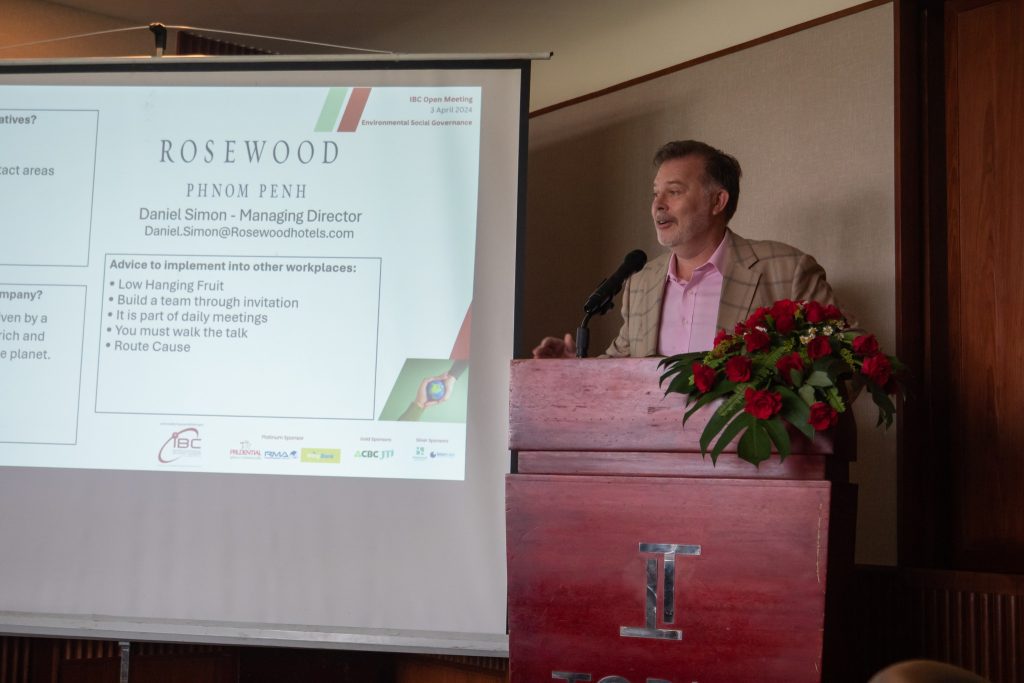
Simon offers actionable advice for other businesses looking to integrate ESG principles, emphasizing starting with “Low Hanging Fruit” and building a team through invitation, not coercion. He insists that ESG should be woven into the fabric of daily operations and meetings, advocating a genuine practice of these values rather than mere lip service. By addressing the root causes of issues, Simon suggests that any workplace can successfully implement ESG strategies and make a lasting impact.
Kep West: Achieving Platinum in Sustainability with ESG Excellence
Kep West, a pioneering entity in the field of sustainable development, has been recognized with the prestigious Platinum Certification by Green Growth 2050, signaling its outstanding ESG (Environmental, Social, and Governance) initiatives. The certification honors Kep West’s holistic and impactful approaches, including cost savings, branding enhancement, risk management, competitive advantage, investor appeal, resilience to climate change, and overall value creation.
Jef Moons, CEO of Knai Bang Chatt by Kep West, underscores the significance of ESG to their operations: “Being efficient and effective isn’t just good practice; it’s a necessity. It’s about doing things right and doing the right things.” He elaborates on the importance of ESG in cultivating a brand that stands the test of time and fosters trust among stakeholders.
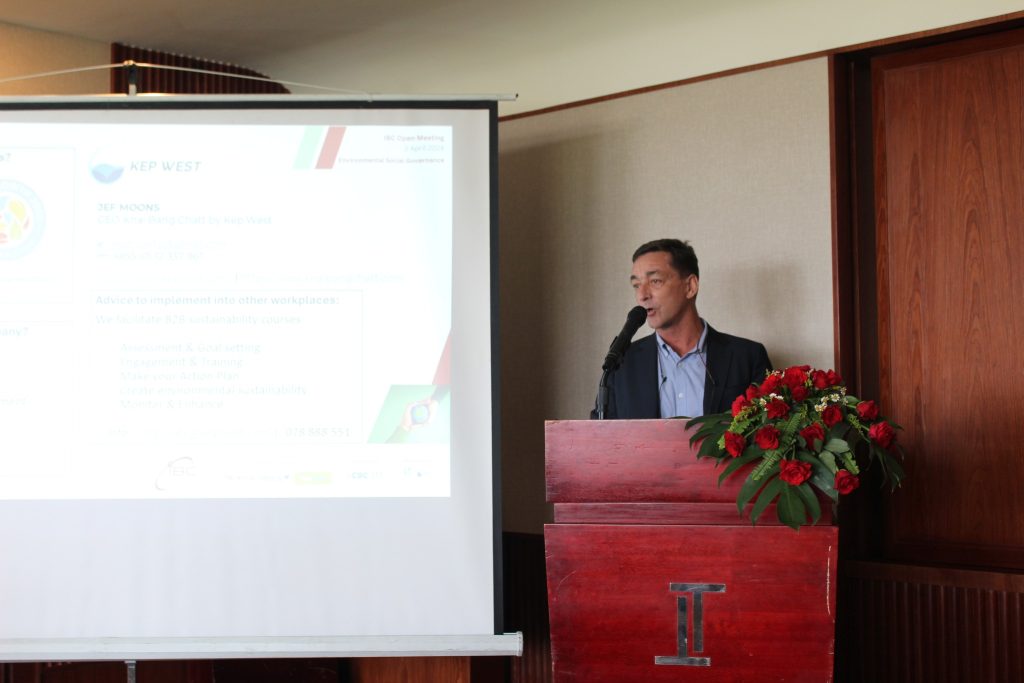
To bolster the ESG movement across the business sector, Kep West offers B2B sustainability courses, emphasizing a structured approach that includes assessment and goal setting, engagement and training, and action plans aimed at creating environmental sustainability. Moons advises, “Start with a thorough assessment, engage your team, and build an action plan. Monitoring progress and continuously enhancing your approach is key to ESG success.” These insights are invaluable for any organization seeking to embed sustainability into their business model.
HEINEKEN Cambodia: Brewing a Sustainable Future with EverGreen Initiatives
HEINEKEN has been investing in Cambodia for 30 years since 1994. As the leading brewer is deeply embedded within the local social fabric, it takes seriously its duty to conduct business in a sustainable and responsible way. Driven by the company’s purpose of brewing the joy of true togetherness to inspire a better world, sustainability and responsibility is deeply rooted in the company’s DNA. In 2021, HEINEKEN launched a new global EverGreen strategy, which has been built on its value creation model: the Green Diamond. This value creation model puts growth, profit, and capital on equal footing with sustainability and responsibility.
In line with EverGreen, HEINEKEN’s long-term ‘Brew A Better World’ agenda outlines the company’s ambitions across three pillars: Environment, Social, Responsible. Its environmental ambition aims to reach net zero emissions in production by 2030 and across its entire value chain by 2040. HEINEKEN also aims to minimize waste and maximize efficient use of resources from barley to bar. The company tracks and shares progress through including ESG metrics in its global annual report.
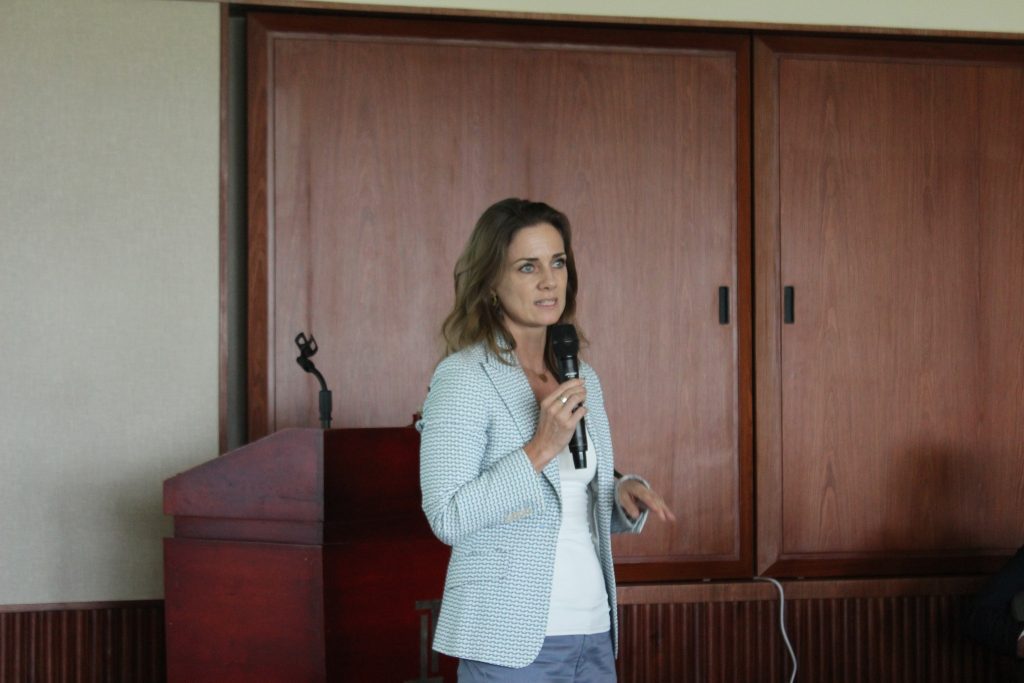
Locally, HEINEKEN Cambodia launched its initiative working with Cambodia’s F&B and hospitality industry to promote glass bottle returns. HEINEKEN Cambodia also notes the local efforts to support the inclusive and sustainable growth for Cambodia’s agriculture sector, especially in rice, a staple food of every household as well as a key ingredient in some of HEINEKEN Cambodia’s beer recipes for brands like Anchor. HEINEKEN Cambodia – in partnership with Berkeley Energy Commercial Industrial Solutions (BECIS) – also uses rice husks from local millers and farmers to generate renewable thermal energy at the company’s biomass plant in Phnom Penh.
“These are only a few examples that show that sustainability and business go hand in hand. We hope to do more in supporting the communities around us as well as the social and economic development of the Kingdom, so together, we can Brew a Better Cambodia,” said Anne de Graaf, Corporate Affairs Director of HEINEKEN Cambodia.
Maersk’s ESG Drive: Leading Decarbonization and Sustainability in Logistics
Maersk, a global leader in logistics, is taking decisive steps in the ESG arena, with a clear focus on decarbonization of logistics, ensuring employee well-being, and operating with responsible business practices. Popova Liubov, the Mekong Project Manager at Maersk, states, “2023 was a turning point for the climate, being the warmest year on record, which underlined the urgency for our ESG initiatives.” Maersk’s commitment is reflective of a global necessity as biodiversity loss and social issues like hunger and displacement become increasingly critical.
The importance of ESG to Maersk is rooted in the dire environmental and social statistics of recent years, including the stark reality that 10% of the world’s population faces hunger daily. This has galvanized the company into action, integrating ESG as a core business strategy for creating value and addressing these global challenges. “ESG is not an add-on; it’s an integral part of how we conduct business and create long-term value,” Liubov comments.

To pave the way for others, Maersk Cambodia’s Office has implemented practical measures like water filters, waste sorting and disposal, and collection stations for batteries and bottles. Sharing advice on adopting similar measures, Liubov suggests, “ESG should be woven into the business model—it’s about creating strategic value while simultaneously tackling the pressing issues of our time.” This approach reinforces the company’s vision of a sustainable future, with ESG practices at the core of business resilience and growth.
REMADE in Cambodia: Pioneering Sustainable Fashion and Environmental AdvocacyTop of Form
REMADE in Cambodia, a social enterprise, is carving a niche in the ESG landscape through its unique initiatives. With a focus on arts development, environmental conservation, and diversity and inclusion, the enterprise promotes fashion shows, sales, and speaking events to showcase sustainable fashion, partners with brands for cultural exchange, and supports the protection of Tonle Sap’s wildlife. These initiatives are complemented by recycling efforts aimed at reducing waste in the Mekong and Bassac Rivers.
Read More: Cambodian SMEs Risk Losing Out To Regional Competitors That Are More ESG-Ready
The significance of ESG to the enterprise is underscored by stark environmental data: “With 20% of waste in rivers and 60% in landfills, we recognize the power of youth to change Cambodia’s environmental and cultural landscape if they’re provided with the right platforms,” a representative from REMADE in Cambodia remarks. This approach aligns with their belief in creating public and free events and promoting model diversity to foster inclusivity.

REMADE in Cambodia emphasizes the need for reevaluation of industry standards. “Make your clients your primary stakeholder. Listen to and elevate young, diverse voices. Welcome feedback and use it as a catalyst for change,” they advise, showcasing their commitment to transformative practices. This vision not only reflects a dedication to sustainable development but also positions REMADE in Cambodia as a thought leader in implementing ESG in dynamic and culturally aware ways.
Pizza 4P’s Cambodia: Crafting a Sustainable Future with Zero Waste Initiative
At Pizza 4P’s Cambodia, sustainability is more than a concept—it’s a core value manifest in every slice. With a zero waste initiative that boasts over 90% waste diversion and a commitment to a circular economy, Pizza 4P’s is redefining the culinary industry’s role in environmental stewardship. “Our mission goes beyond food; we aim to create peace and happiness, aligning our operations with the vision of ‘Pizza for Peace,'” explains Ms. Thu Vuong, Sustainability Project Specialist at Pizza 4P’s.
The restaurant chain’s ESG endeavors are comprehensive, extending from building eco-friendly restaurants to ensuring gender balance in management, with over 50% female leadership. Their conscientious sourcing includes direct procurement from producers and farmers, choosing only sustainable, chemical-free, and responsibly-farmed ingredients. Vuong highlights the importance of these practices: “Sustainability helps us fulfill our motto to ‘Make the World Smile for Peace.’ It’s a guiding principle for us.”
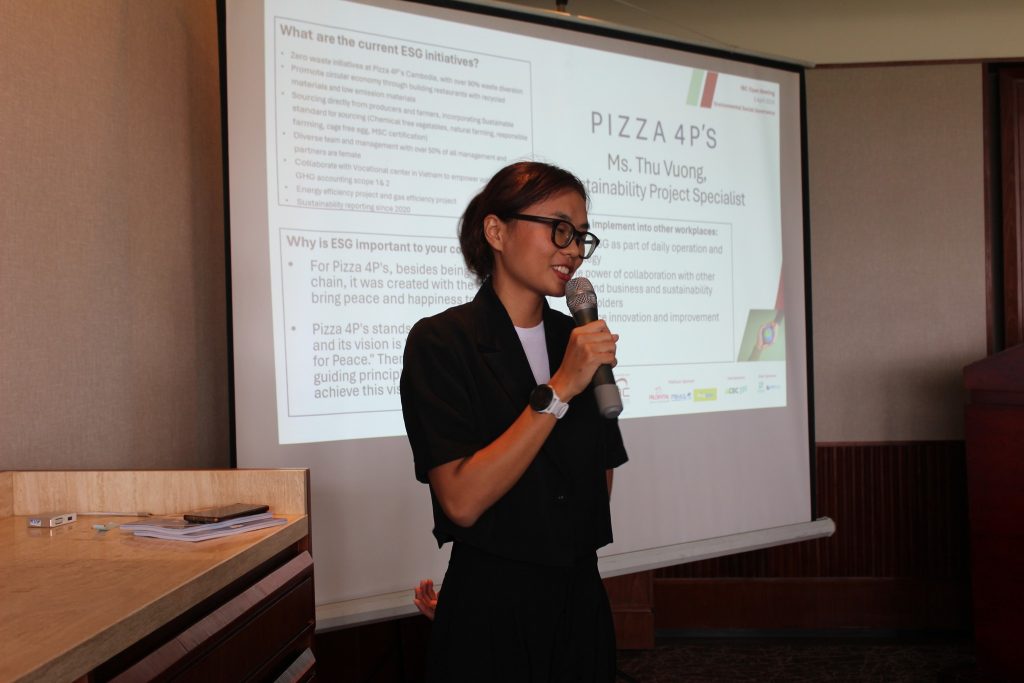
Pizza 4P’s not only practices sustainability but also promotes it by empowering vulnerable youth through vocational training and managing their carbon footprint through GHG accounting. Vuong advises other companies on ESG integration, “Embed ESG in your daily operations and strategy, collaborate with like-minded businesses, and always seek to innovate and improve. This is how we can all contribute to a more sustainable future.”
CBRE Cambodia: Targeting Net Zero with Green Initiatives in Real Estate
CBRE Cambodia, a part of the global affiliate network Advantage Property Solutions, is making substantial strides in the realm of Environmental, Social, and Governance (ESG). With an ambition to reach Net Zero Carbon by 2040 and to have all offices green certified, the company is addressing the environmental challenges head-on. Lawrence Lennon, the Managing Director, highlights the imperative nature of such measures in an industry responsible for 30% of the world’s annual greenhouse gas emissions and 40% of the world’s energy consumption.
Locally, CBRE Cambodia champions ESG through initiatives such as training and education programs, maintaining a 50/50 gender balance, and engaging in policy, advocacy, and advisory work. “The real estate sector is not just about building properties, but also about building communities and a sustainable future,” Lennon states. He emphasizes the pivotal role that ESG plays in promoting a resilient and equitable society, especially in regions like the Global South, which bear the brunt of climate change despite housing the majority of the population.
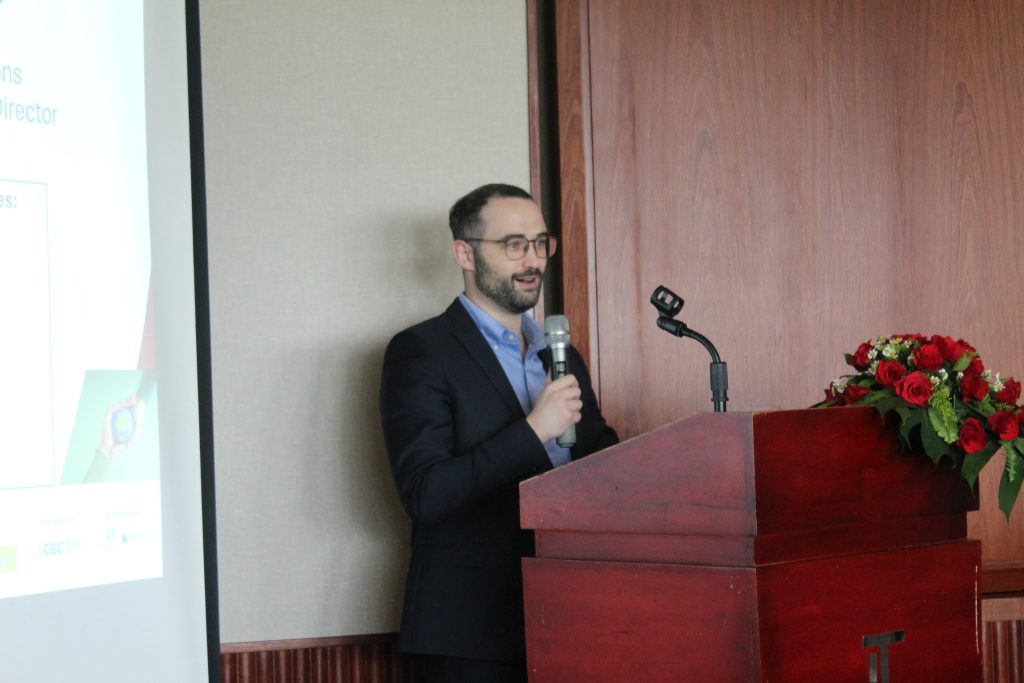
Lennon advises other workplaces to focus on actionable ESG efforts, stating, “It’s less about having a multitude of initiatives and more about impactful actions that resonate with your company’s values and the environment.” This guidance is particularly salient for Cambodia’s economy, as it faces the challenges of integrating ESG into key sectors like manufacturing, hospitality, and real estate, balancing the short-term costs with the imperative for long-term sustainability.
Visa’s ESG Blueprint in Cambodia: Empowering Communities and Advancing Sustainability
Visa’s ongoing commitment to Environmental, Social, and Governance (ESG) initiatives in Cambodia is a reflection of its global strategy, geared towards creating a sustainable future. Ivana Tranchini, the Country Manager for Cambodia, is at the forefront of championing this cause, integrating a range of ESG elements into the core functions of the company. With a detailed ESG wheel displayed in a recent presentation, Visa illustrates its comprehensive approach that includes empowering small and micro businesses, supporting women’s economic advancement, ensuring cybersecurity, and focusing on privacy, among others.
Tranchini emphasizes the critical role ESG plays in Visa’s operations, particularly in fostering financial inclusion and supporting local communities. “Our objective is to support the financial success of SMBs, nano businesses, women, and underserved communities,” Tranchini states. This is more than a business imperative; it is a strategic investment in the social fabric of the communities where Visa operates. By aligning with local needs and providing the tools for financial empowerment, Visa aims to have a lasting impact on societal advancement.
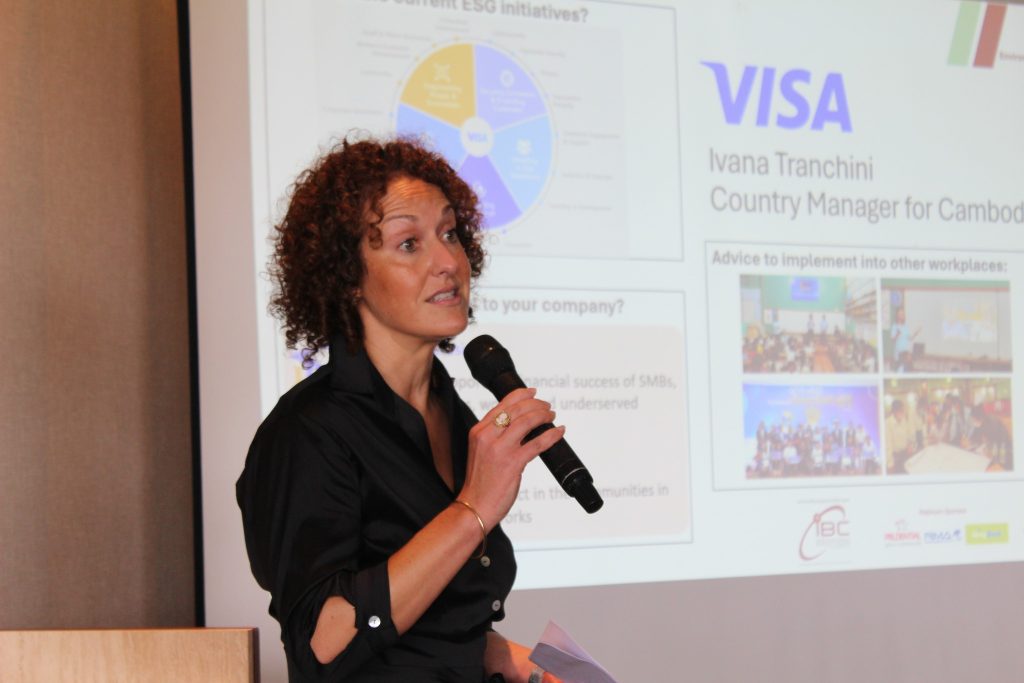
The advice Visa extends for incorporating ESG initiatives into other workplaces is grounded in actionable strategies. Tranchini advises businesses to listen to and elevate diverse voices, creating platforms for progress and innovation. “Implementing ESG practices means weaving them into the daily narrative of your company. It’s about doing the right thing for the community and the environment while building a sustainable business model,” she adds. Visa’s strategy in Cambodia showcases not only a commitment to global corporate citizenship but also a blueprint for other companies to follow in their ESG journeys.
These eight firms in Cambodia demonstrate the tangible integration of ESG values into business models, creating a ripple effect in their sectors. Their collective strides in sustainability, community engagement, and responsible governance underscore a vital trend: that profitability and social responsibility can coexist. As they forge ahead, their actions offer actionable insights and set a pragmatic standard for others to emulate, moving Cambodia towards a more sustainable and equitable economic future.