
By Henry Henderson
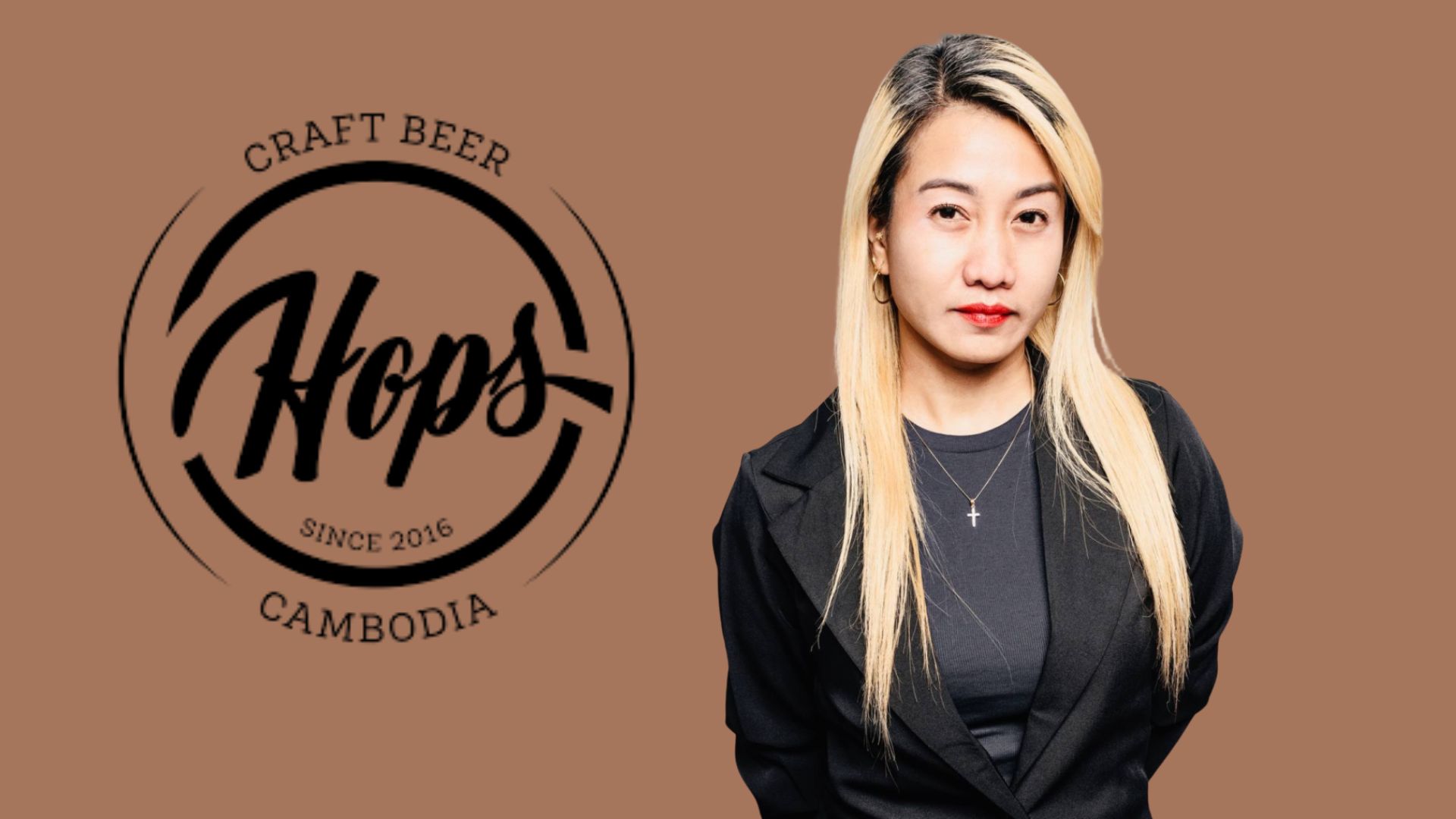
EuroCham Junior Communications Officer Henry Henderson spoke with Maria Garcia, General Manager of Hops, one of Phnom Penh’s most established craft beer and dining destinations. Reflecting on her leadership journey since 2017, Maria shared insights into Hops’ growth, its role in shaping Cambodia’s craft beer culture, and the operational realities of running large-scale F&B concepts in an increasingly competitive hospitality market.
Position In Phnom Penh’s Hospitality Scene
Henry: You’ve been leading Hops since 2017. Looking back, what have been the key milestones in the restaurant’s growth and its position in Phnom Penh’s hospitality scene?
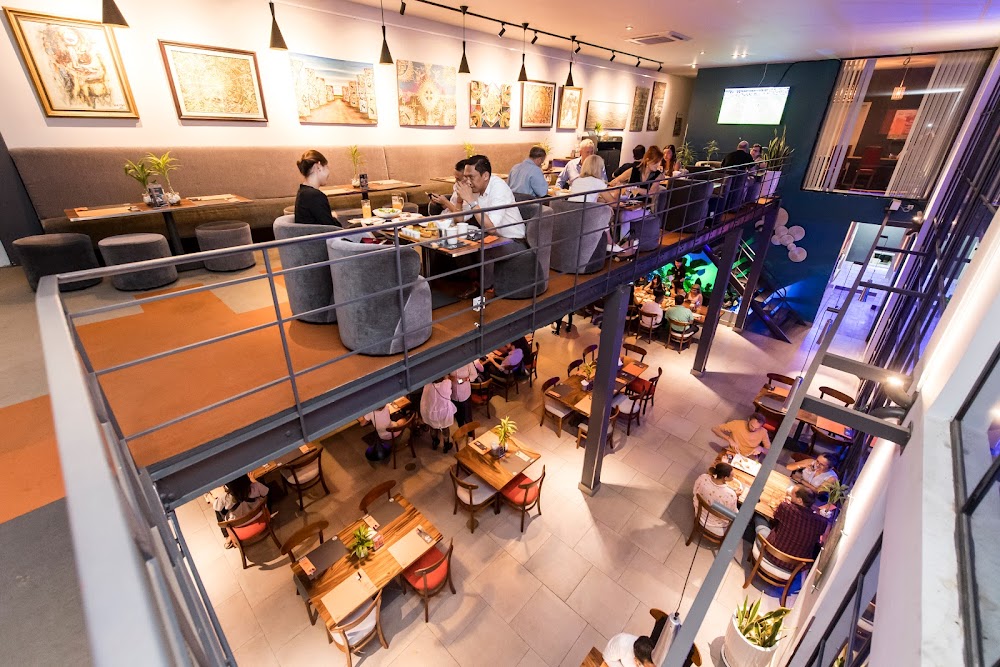
Maria: It was amazing to see Hops Beer Garden grow from nearly the start and become popular so quickly, even though we still had a lot to learn. Our customers were very supportive and appreciated our effort to create a German-inspired, Cambodian/international beer garden with a relaxing atmosphere in the heart of the city.
It’s great to see that today, even more people value our international, quality-focused, and friendly approach to Cambodian hospitality.
Henry: Hops is known for its craft beer culture and large-scale dining experience. How do you maintain operational consistency and quality in such a dynamic and competitive market?
Maria: That is always a challenge, especially with Hops’ two locations in BKK and Tuol Kork, and now Chew & Bash in Koh Pich, which has a different F&B and entertainment concept.
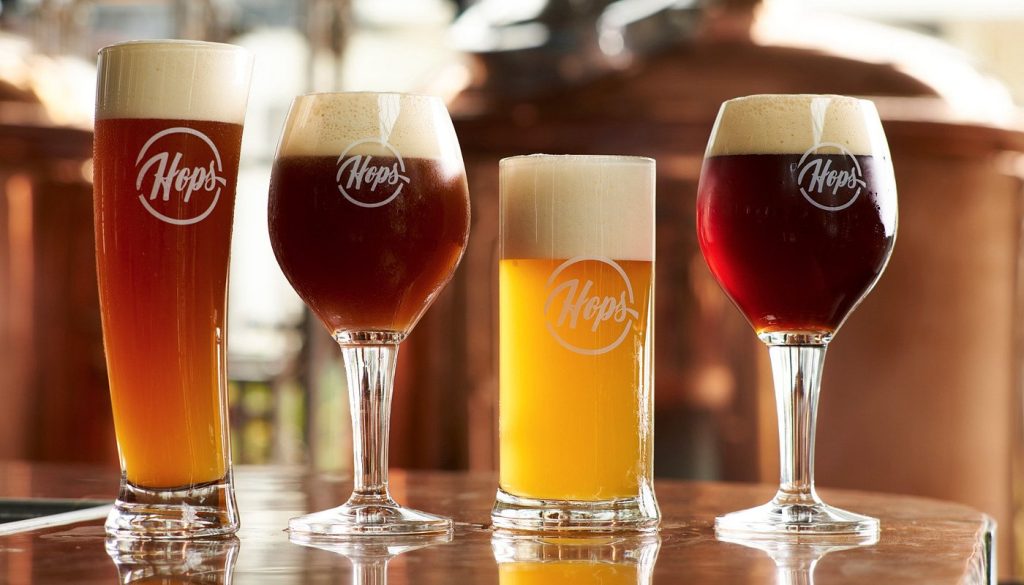
Hops restaurants should give customers a consistent experience, from the outdoor garden and green environment to the beer and the food. Our popular craft beers are really the glue that holds everything together, but our food specialties are now just as renowned. We manage consistency through our executive chef, an engaged and hands-on team, and a stringent feedback loop.
Henry: From a management perspective, how do you balance Hops’ identity as a craft brewery with the broader expectations of Phnom Penh’s increasingly discerning customer base?
Maria: We are fortunate that craft beer lovers and people who appreciate good food are very similar — they value the handmade aspect of what we do. All our food is made with fresh, natural ingredients, either imported or sourced from the best local suppliers. Every sauce is handmade, and we produce a lot in-house, including bread, pretzels, soda, burger buns, cakes, and pasta.
Our craft beer follows the same philosophy: it is naturally brewed to the highest German standards by a fully trained brewmaster who is also a certified beer sommelier. To complement this, we offer entertainment like pool and darts, a green environment, and exceptionally friendly service to ensure customers enjoy all aspects of Hops.
Henry: You’ve worked across the UAE, Brunei, and the Philippines before coming to Cambodia. What stands out to you about the business environment and customer behavior here?
Maria: Like in the Philippines, Cambodian consumers show strong brand loyalty once trust is established, and we see many of our guests returning regularly.
The UAE market is much more developed and prioritises quality over price, while Cambodian consumers are still quite price-sensitive. That said, the growing middle class is increasingly willing to pay a premium for higher-quality products — and craft beer has clearly found its audience here. Food also plays a very important role, much like in the Philippines.
Adapted To Shifting Consumer Trends
Henry: Phnom Penh’s F&B sector has expanded significantly in recent years. How has Hops adapted to shifting consumer trends?
Maria: The growth of the scene has been incredible. It presents challenges, but also opportunities, because not everyone can maintain the high standards required in professional hospitality. We have very strict hygiene standards, cooking guidelines, quality controls, and feedback processes. We’ve eliminated single-use plastic across all operations and compost and reuse wherever possible.
When we launched, our concept was quite unique. For example, we were the first to use gravel in beer gardens — people thought it was crazy at the time. Today, many concepts have adopted similar ideas, and some have even copied our designs. We take this as motivation to continue innovating, improving, and staying ahead.
Henry: As General Manager, what operational or strategic challenges do you encounter most in Cambodia’s F&B landscape?
Maria: HR and recruitment remain constant challenges, as does navigating the regulatory environment. Administrative work has become a large part of management efforts. Tourism is also very important to us, and it has suffered in recent years due to multiple factors, including regional tensions.
Revenues and profits have been under pressure, while purchasing costs have increased significantly. Unfortunately, we cannot raise prices at the moment. It’s a tough time for many in the industry, and flexibility and efficiency are essential.
Henry: You oversee a large and diverse team at Hops. How do you approach staff development and service training?
Maria: We hold daily meetings with our teams to update them on food and beverage items, share customer feedback, and invite suggestions for improvement. Training focuses on communication, service standards, and customer interaction. Cambodia has made impressive progress in hospitality skills — many younger staff speak excellent English and learn quickly. Strong training institutions and international brands have also contributed significantly to capacity-building in recent years.
Priorities For Hops’ Continued Growth
Henry: Hops engages both expatriate and local communities. How do you tailor the customer experience for such a diverse audience?
Maria: It’s simple: everyone is treated equally, with respect and friendliness. At Hops, any person who walks through the door is equal to another. Our beer garden concept comes from Germany, where people often share tables and connect with strangers. Conviviality is at the heart of our business.
We are German at heart with a Cambodian soul, but we welcome everyone — European, Asian, American, or otherwise — to enjoy Hops and feel part of the community.
Henry: Looking ahead, what are your priorities for Hops’ continued growth?
Maria: We see ourselves as innovators and will continue pushing quality and service standards higher. We offer a craft beer of the month, food specials, high-quality pool tables, and relaxed environments. At Chew & Bash, we also focus on live entertainment and international music. This year, we brought DJ Paul Oakenfold and Dengue Fever to Cambodia, and in January we will host FÜLÜ Electrobrass.
While adapting and improving is important, consistency matters just as much. We don’t want to chase every trend — we want to stay true to what defines Hops.