
Stew Post
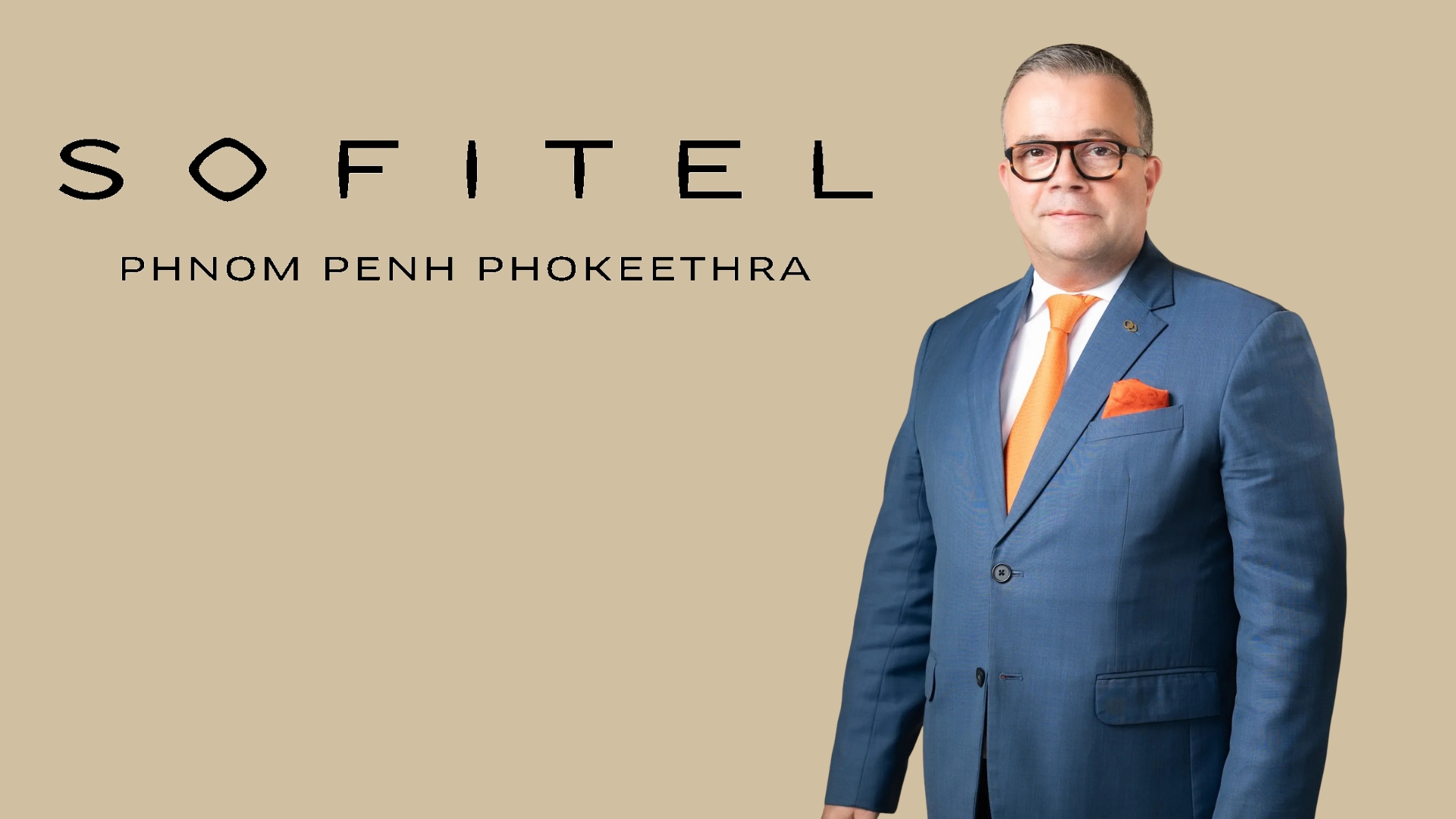
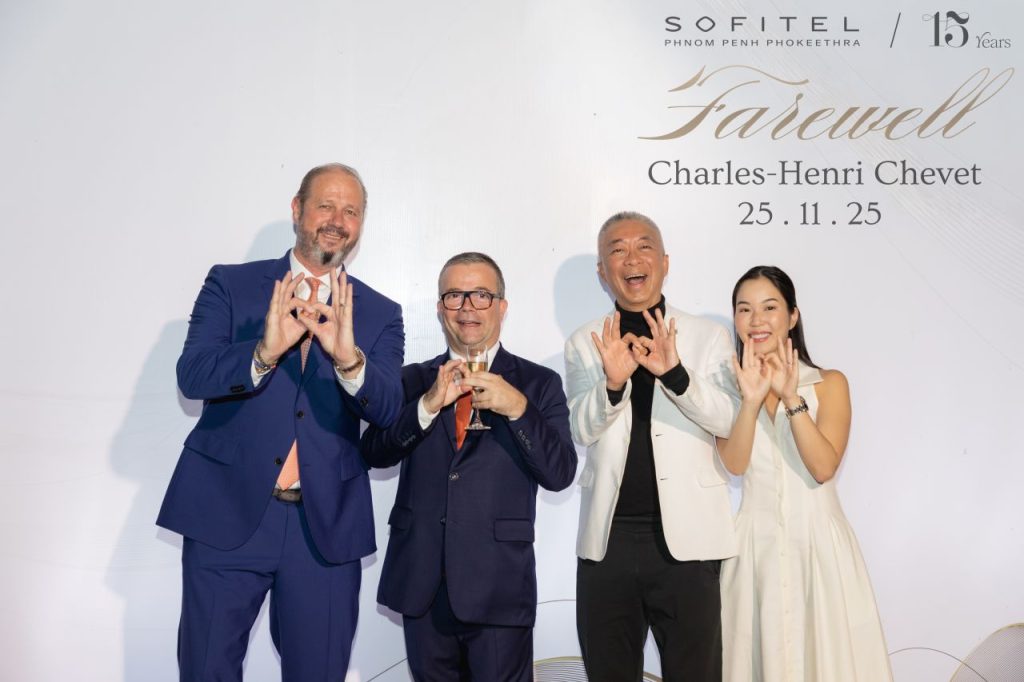
EuroCham’s Senior Communications Officer, Stew Post, sat down with Charles-Henri Chevet, Outgoing General Manager of Sofitel Phnom Penh Phokeethra. After 14 years at the helm of one of Cambodia’s most iconic luxury hotels, Charles-Henri offers a rare look behind the scenes of the country’s fast-evolving hospitality landscape. In this wide-ranging conversation, he reflects on Cambodia’s service culture, the rise of Khmer hospitality talent, sustainability in practice, and what’s next for Sofitel as the brand enters a new chapter of innovation and refinement.
Stew: You began at Sofitel Phnom Penh Phokeethra in 2011. Tell us about how your journey with the hotel started.
Charles-Henri Chevet: That’s right. I first arrived in Cambodia in October 2009, and after almost two years, I was invited to join Sofitel Phnom Penh Phokeethra. I officially took on the role in July 2011, around six months after the hotel opened. We welcomed our first guests in December 2010, held the grand opening in March 2011, and I arrived shortly after, on 1 July 2011.
First Major Five-Star Hotel To Launch In Phnom Penh
Stew: You joined Sofitel Phnom Penh Phokeethra in 2011, giving you 14 years at one establishment, a long tenure as a general manager. What would you consider the key milestones during that time?
Charles-Henri: Fourteen years in one property is indeed unusual, but I don’t take any personal credit for it; it’s simply been an amazing story. When the hotel opened, it was the first major five-star hotel to launch in Phnom Penh. That alone was quite a big event and the interest, and the attraction created by the hotel has been quite spectacular, but it also coincided with the moments where Cambodia – in terms of economic growth, population growth – was really accelerating. During those years, the country’s GDP growth was among the most dynamic in the region, and that energy was reflected in our business.
One of our biggest achievements has been maintaining exceptionally strong performance. The hotel’s unique seven-hectare grounds, the ballroom, and the overall property design made us extremely attractive to the market. Another milestone was receiving major recognitions such as being named one of Asia’s best hotels by Condé Nast Traveler in 2017 and 2018.
But what I’m most proud of is our team development. Many of our artists have been with us for years and have grown into higher positions. Our philosophy is to promote internally whenever possible. Sometimes team members doubt they are ready, and part of our job is to reassure them, coach them, and help them succeed. I have countless stories of people who rose through encouragement and support.
Just recently I received a message and gift from a former team member who left seven years ago, with a photo from 12 years back thanking me for helping her grow. Moments like that mean as much as any award.
Stew: Turning to the broader hospitality landscape in Cambodia: what role do high-standard hotels like Sofitel play in elevating the sector?
Charles-Henri: First, we are certainly not the only ones, Cambodia has many excellent hotels in Phnom Penh and Siem Reap. But what often surprises international visitors is the exceptionally refined hospitality they experience here.
Owners and architects create the structure, but it is the Khmer people who bring the magic: the natural warmth, sincerity, gentleness, and genuine smiles. When you combine these qualities with professional training and strong operational systems, the result is extraordinary. We receive weekly feedback from guests who are amazed at the level of service.
Luxury doesn’t always mean marble and gold. It is the attention to detail, the ability to anticipate needs, and the cultural sensitivity that matter. Cambodian hospitality professionals have become skilled at adapting to different guest expectations: business vs. leisure, Western vs. Asian travelers, families, couples, and so on.
We’ve also seen hospitality talent become increasingly attractive to other sectors, including banking, insurance, and healthcare, because the service mindset is transferable. In many ways, hospitality has helped shape service culture across the country.
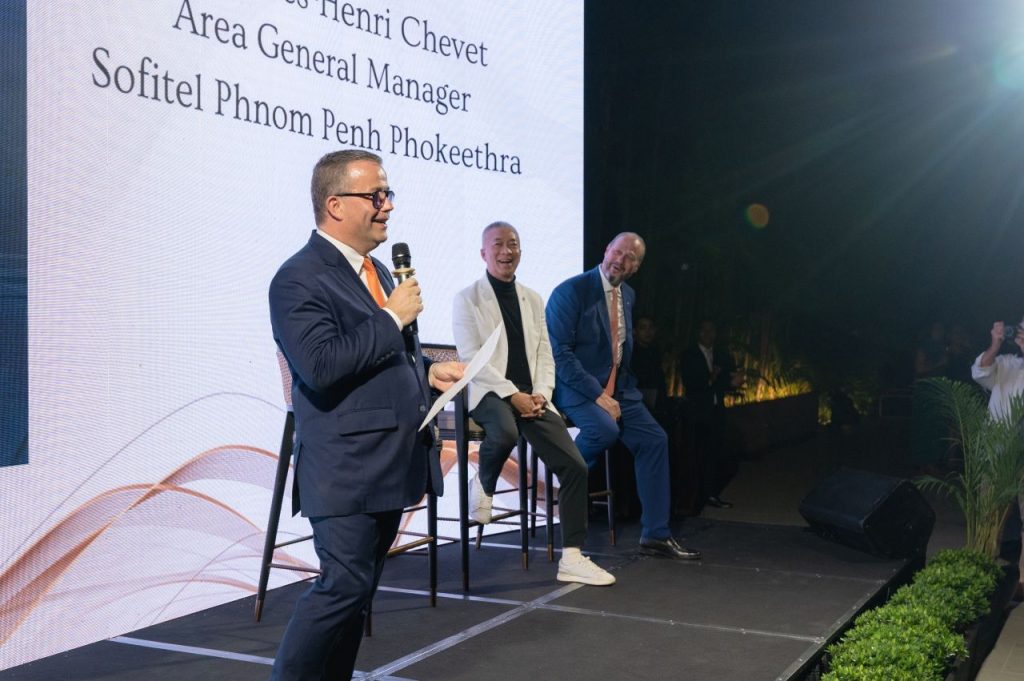
International Level Of Sophistication, Efficiency, and Attention To Detail
Stew: How do you balance international luxury standards with the Cambodian context?
Charles-Henri: We offer an international level of sophistication, efficiency, and attention to detail, but at Sofitel, our identity is about blending French art de vivre with local culture. In Cambodia, that means our team proudly shares their culture, history, and traditions. Buddhism is deeply rooted here, and guests are often curious about these cultural codes, which our team is happy to explain.
For over a decade, we have actively promoted Cambodian art through exhibitions, collaborations with local artists, and initiatives like our partnership with Ekarieach to host themed art competitions. We integrate local influences into our décor, culinary offerings, amenities, and even floral arrangements whenever possible.
We also prioritize sourcing locally. While not everything is available, agriculture has improved significantly; herbs, vegetables, pork, chicken, and more are increasingly high-quality. Our chefs are encouraged to use local products whenever feasible.
Stew: Beyond luxury, fine dining, and exceptional service, Sofitel is also known for its sustainability and community engagement. What initiatives are you most proud of?
Charles-Henri: Sustainability has been part of our DNA for a long time. We support several hospitality-focused education institutions in Phnom Penh, Siem Reap, and other provinces. Our contribution includes hosting interns, offering financial or logistical support, providing equipment, and sending our managers to teach classes. We even welcome teachers for refresher programs to ensure their curriculum stays current, as the industry evolves quickly.
We are fortunate to have seven hectares of land, and we preserve it – Phnom Penh is not becoming greener – so we take that responsibility seriously. We regularly plant trees and now have more than 50 mango trees. This year, our harvest supplied the entire hotel for over three months, which is both sustainable and cost-effective.
Water conservation is another success. Our entire garden is irrigated using only treated grey water and rainwater: no city water at all. The water passes through several treatment stages before being used, and our sister property in Siem Reap has had a similar system for 25 years. The owner was truly visionary.
Waste segregation in Phnom Penh is still developing, but progress is happening. We recycle cardboard, send used oil to certified companies, repurpose paper, and recently partnered with Ecobatt to collect batteries. Year by year, the ecosystem is improving.
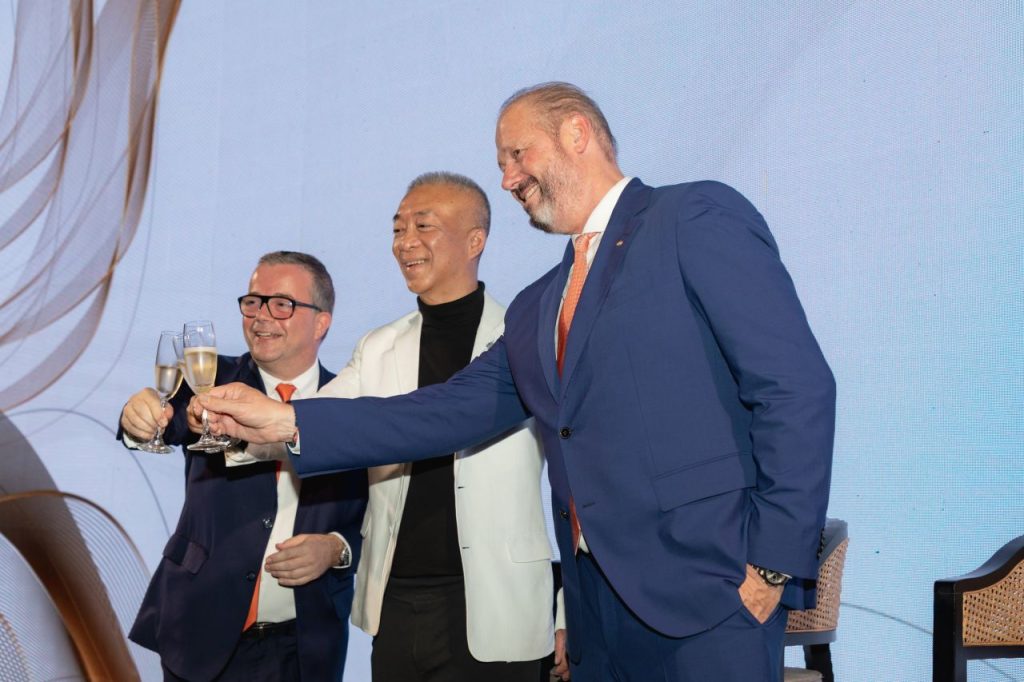
Sofitel Stands Out as a French Luxury Brand
Stew: After so many years with Sofitel, what continues to inspire you about the brand?
Charles-Henri: The brand itself is rejuvenating. For nearly three years now, we’ve had a new CEO, Maud Bailly, who is young, energetic, passionate, and deeply committed to our identity. In the global luxury hotel landscape, dominated by US, UK, and increasingly Asian brands, Sofitel stands out as a French luxury brand, which is unique.
The challenge is to express the best of French culture without arrogance, with humility and elegance, through culinary artistry, creativity, and a sense of refinement. Initiatives like our La Haute Croissanterie ensure our bakery offerings are both top-quality and inventive. Everything is made in-house.
We’ve also been given a very dynamic roadmap for next year with 12 new initiatives planned. So, there is a lot of exciting work ahead. And here in Cambodia, the market embraces French culture, gastronomy, and wine. Our special dinners and pairings are always successful, and even our raclette is one of our most popular items, even when it’s 40 degrees outside!
Stew: Looking ahead, what upcoming initiatives are you most excited about?
Charles-Henri: Several. We’re introducing a new range of luxury bed linens for the rooms. We’re also expanding our champagne program, something we pioneered in Cambodia, particularly in Siem Reap, and which has become a benchmark for the brand worldwide.
Another major project is the redesign of our Club Millésime executive lounge. We haven’t received the full guidelines yet, but upgrades and a refreshed concept are on the way.
The hotel turned 15 last year, so we’re also moving through our renovation plan. We refreshed the main restaurant and built the new poolside pavilion, renovated the pool, and opened the Glass House pool bar.
We are now starting phase two: renovating meeting rooms, conducting mock-ups for guest room renovations, a standard process before rolling out changes, and fully redesigning our Chinese restaurant, Fu Lu Zu, which will close for about six months for a complete overhaul.
We’re also upgrading the kitchen with more energy-efficient equipment. After 15 years, its time, technology evolves, and appliances consume far less energy today than they did a decade ago.
So, it will be a busy start to the year!