
Cambodia Investment Review
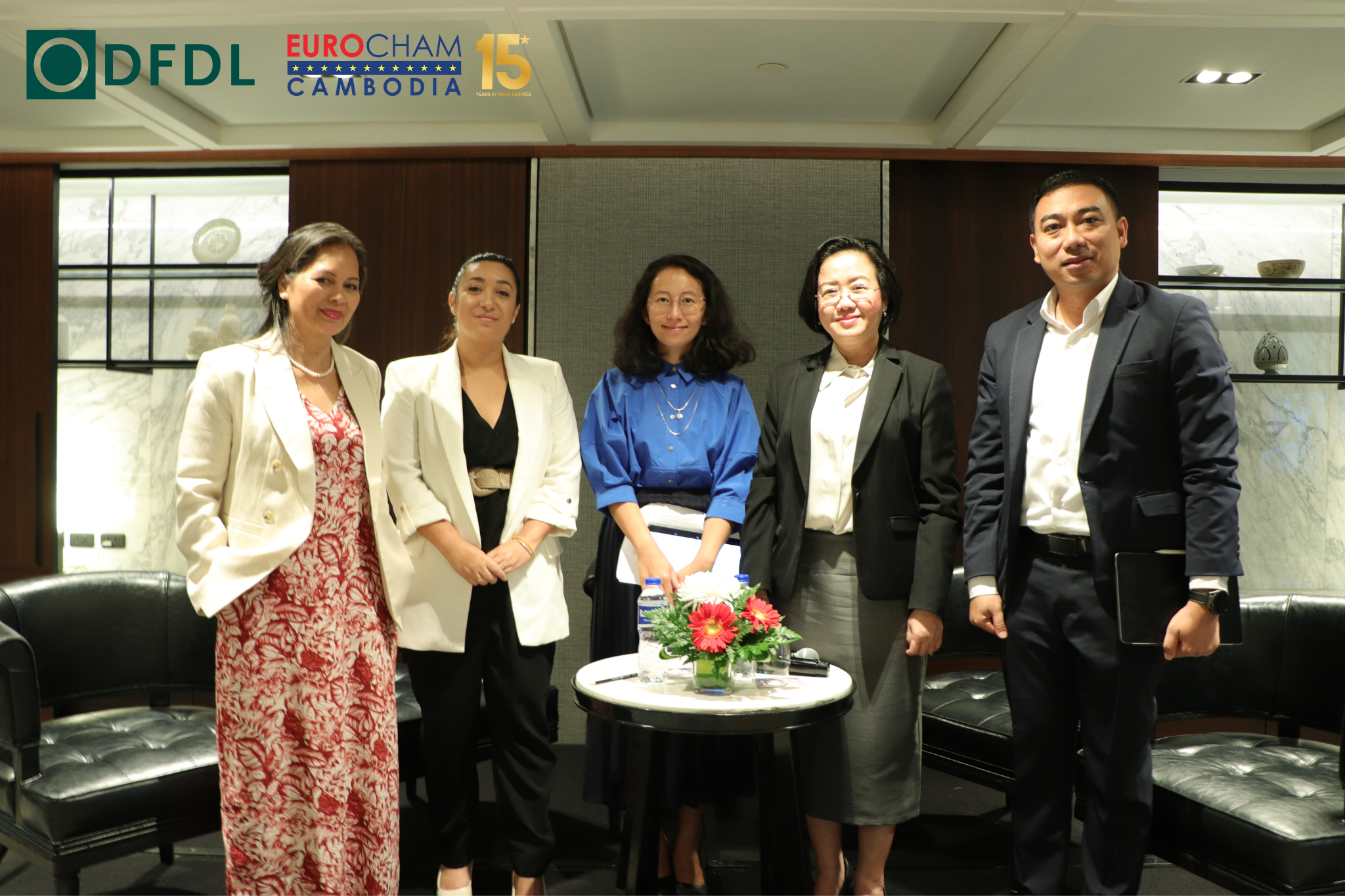
As Cambodian businesses face slower global growth, shifting labour dynamics and the rapid advance of artificial intelligence, workforce restructuring has moved to the top of the corporate agenda. These pressures took centre stage at a half-day forum jointly hosted by DFDL Cambodia and EuroCham Cambodia, bringing together policymakers, legal and tax specialists, human resource leaders and technology advisers.
Held at the Hyatt Regency Phnom Penh, the event marked the first Cambodia Labour Event of 2026 and reflected growing concern among employers about how to manage organisational change while remaining compliant, competitive and socially responsible.
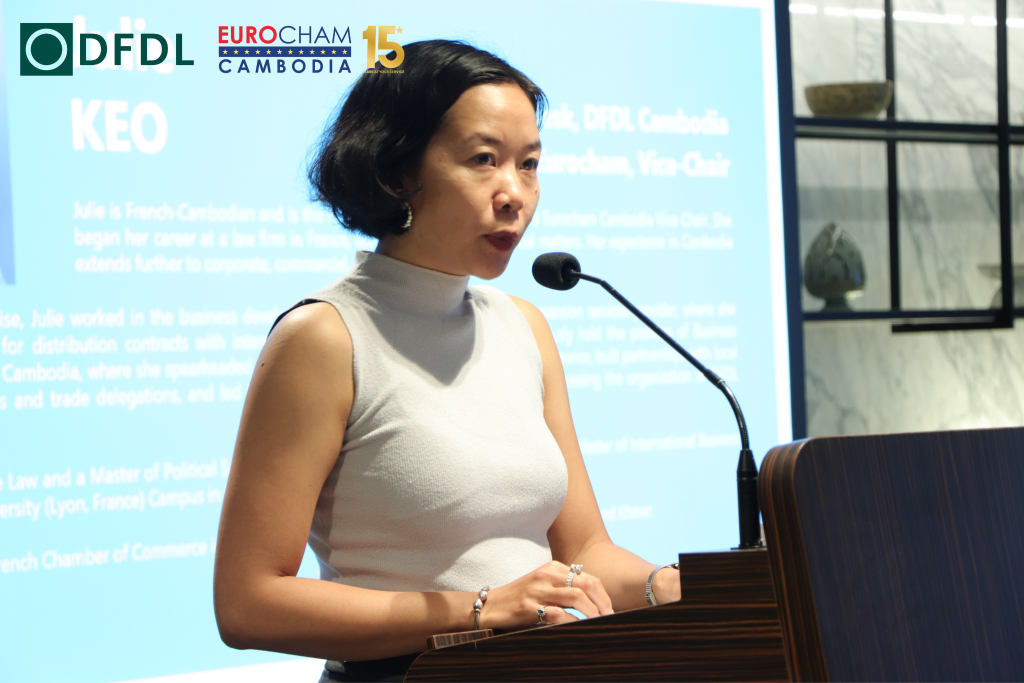
Opening the forum, Keo Julie, Consultant and Head of the Cambodia–EU Desk at DFDL, highlighted the increasing complexity facing employers as they seek to balance business sustainability, regulatory obligations and workforce protection. She also drew attention to the importance of safeguarding gender equity during periods of transformation, noting that restructuring decisions can have uneven impacts if not carefully designed.
Policy signals from government
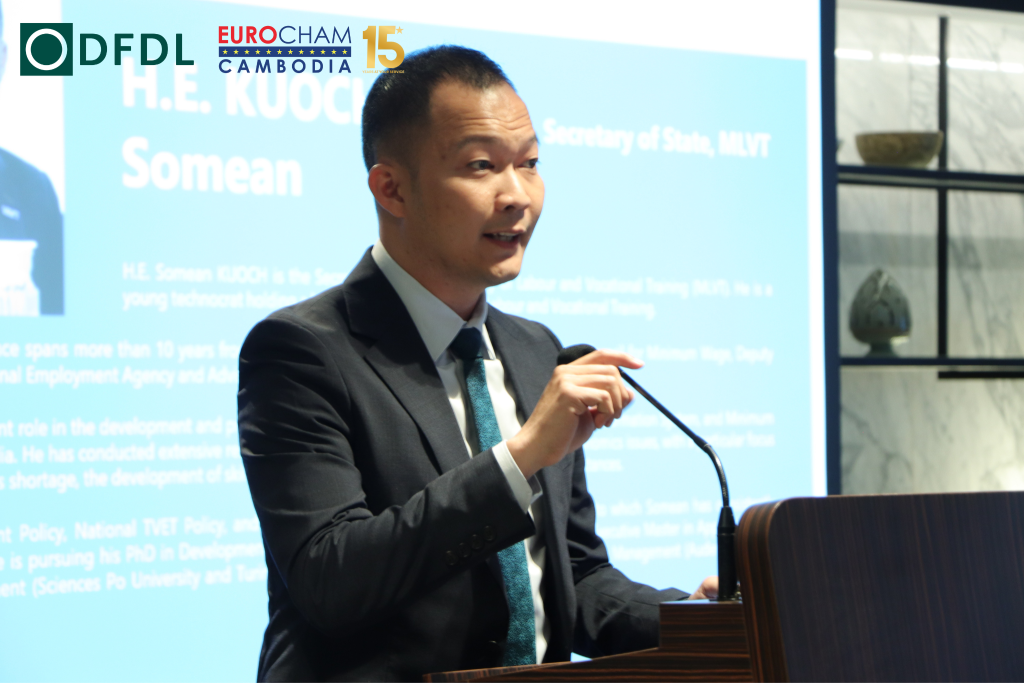
The tone of urgency was reinforced by opening remarks from H.E. Kuoch Somean, Secretary of State at the Ministry of Labour and Vocational Training, who outlined how Cambodia’s labour landscape is evolving amid economic uncertainty and accelerating AI adoption. He pointed to emerging trends such as the growth of the gig economy, workforce migration, robotics and the rising need for reskilling as issues that require closer coordination between government and the private sector.
He said Cambodia’s labour framework must remain adaptive to ensure that productivity gains from technology do not come at the expense of worker protection or social stability, stressing that resilience and inclusiveness will be critical as businesses adjust to new operating realities.
Read More: ASEAN’s 2045 Vision, Powered by Technology Transformation
From compliance to tax risk
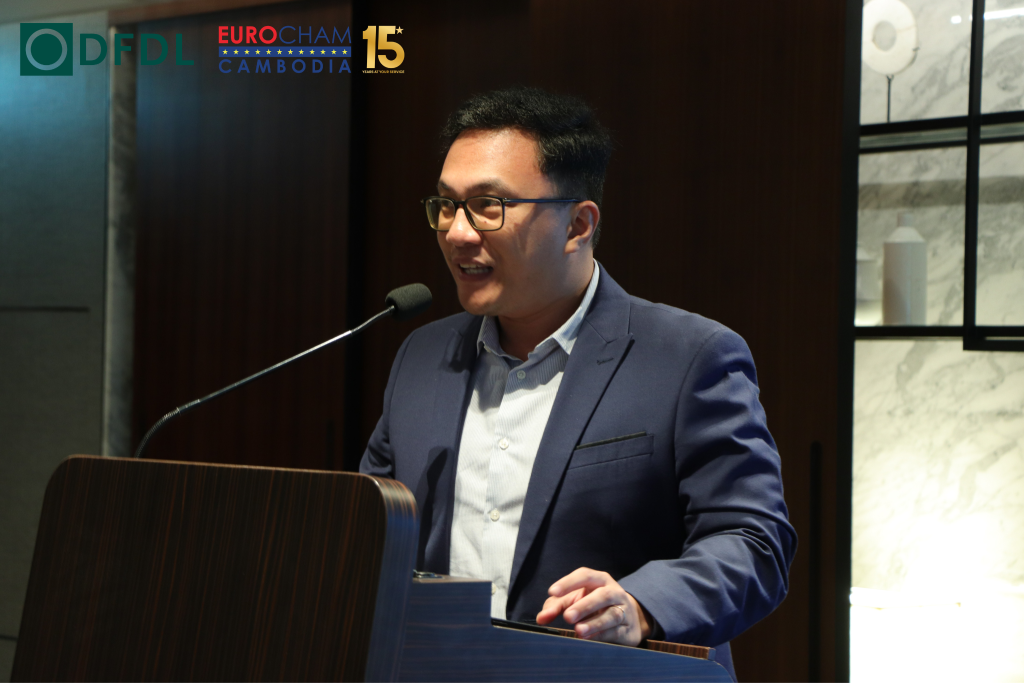
The technical programme focused on the practical challenges employers face when restructuring. Raksa Chan, Senior Consultant at DFDL, walked participants through lawful restructuring options, severance considerations and dispute-resolution mechanisms under Cambodian labour law. Her session underscored that workforce restructuring is not simply an operational exercise, but a legally sensitive process that requires careful planning to reduce exposure to disputes and reputational risk.
That message was reinforced by a tax-focused presentation from Diberjohn Balinas, Partner at DFDL, who examined the tax treatment of employee termination and clarified employer obligations under Director Tax Instruction 19116. He noted that failure to align legal and tax planning can significantly increase costs and compliance risks during restructuring, particularly in periods of heightened regulatory scrutiny.
Managing disputes in practice
Following a Q&A session and networking break, the forum shifted to dispute prevention and case preparation. A fireside discussion featuring H.E. Seng Vuoch Hun, President of ASIA Cambodia Law Group and a Commercial and Labour Arbitrator at the Arbitration Council, together with DFDL’s Raksa Chan, offered practice-oriented insights into documentation, evidence management and engagement with Cambodia’s labour dispute mechanisms.
Speakers emphasised that early preparation and transparent communication can often prevent disputes from escalating, an issue of growing importance as more companies reassess staffing models in response to cost pressures and technological change.
AI, reskilling and governance
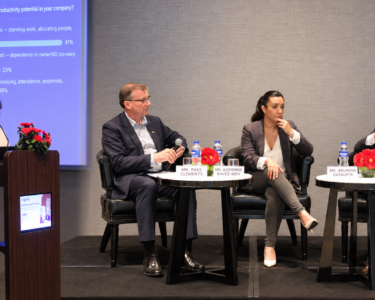
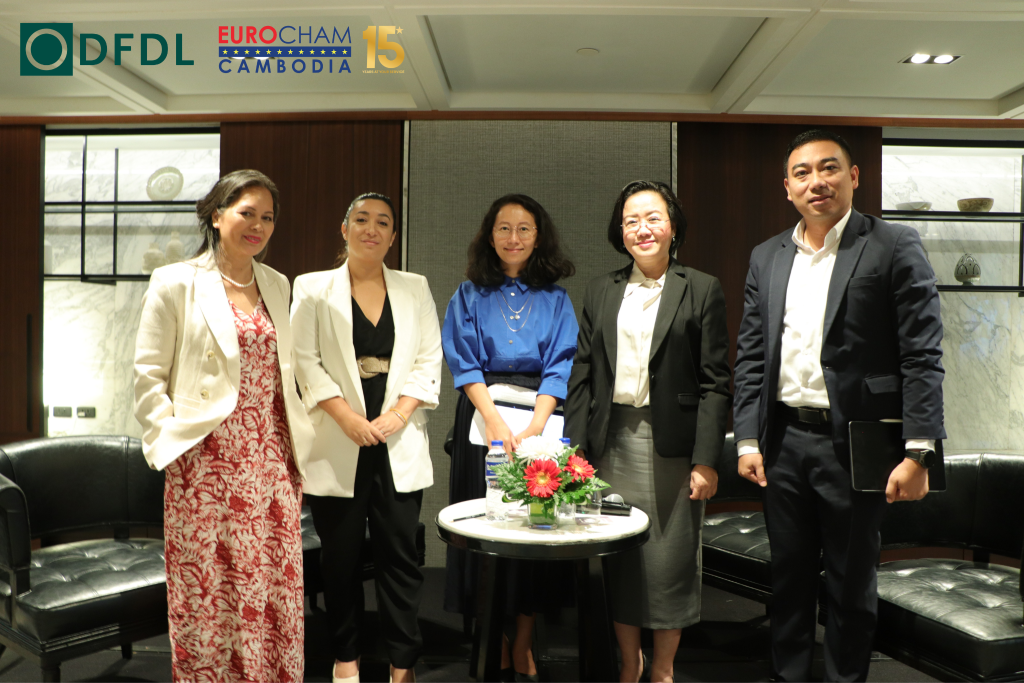
The event concluded with a high-level panel on workforce restructuring in the age of AI, moderated by DFDL Partner Khem Vansok. Panellists included Seng Vuoch Hun, Adrienne Ravez-Men, a strategic adviser in AI, blockchain and Web3, Chhay Sophorn, CEO of HR CODE, and Tep Sophoan, Executive Director of CAMFEBA.
The discussion explored how AI is reshaping job functions, the limits of automation, and the importance of reskilling and responsible adoption. Panellists warned against overreliance on technology without clear governance frameworks, internal policies and training, noting that poorly managed AI deployment can create long-term legal, human and reputational risks.
A signal to employers
Strong attendance and active participation throughout the morning underscored how pressing the issue has become for employers across sectors. While speakers acknowledged that economic volatility and AI-driven change pose significant challenges, they also highlighted opportunities to modernise workforce strategies, improve compliance and build more resilient organisations.
By convening legal, tax, HR, technology and policy perspectives in one forum, DFDL and EuroCham positioned the event as a timely signal to Cambodia’s business community: workforce restructuring is no longer a narrow HR issue, but a strategic leadership challenge that will shape competitiveness and social outcomes in the years ahead.