

Cambodia Investment Review
The World Bank has presented new analytical findings on Cambodia’s informal economy and business competitiveness to the Ministry of Industry, Science, Technology & Innovation (MISTI), highlighting a significant productivity gap that could constrain the country’s long-term growth ambitions if left unaddressed.
The briefing comes as Cambodia advances a series of reforms aimed at strengthening MSMEs, improving the business environment and supporting enterprise formalisation.
Productivity gap poses challenge to Vision 2050
According to the World Bank’s assessment, Cambodia’s productivity growth currently stands at around 0.8 percent. To meet its Vision 2050 objective of becoming a high-income economy, the country would need to sustain productivity growth of more than 2 percent annually for the next 25 years.
Senior economist Faya Hayati said the gap between current and required productivity growth underscores the scale of reform needed, noting that only a handful of economies, including South Korea, have historically achieved such sustained gains.
In practical terms, the productivity gap reflects structural constraints across the economy, particularly among smaller and informal firms that dominate Cambodia’s private sector.

Key productivity implications highlighted by the World Bank include:
- Low firm-level productivity limiting wage growth and competitiveness
- Heavy concentration of labour in low-value, informal activities
- Slower transition toward higher-value manufacturing and services
- Reduced resilience to external economic shocks
Informal economy divided by performance and potential
A central focus of the discussion was a special World Bank survey examining Cambodia’s informal economy. The survey classifies informal firms into three distinct categories based on performance and growth potential.
Survivalist enterprises account for about 41 percent of informal firms and typically operate at subsistence levels with limited scope for expansion. Another 44 percent are considered potentially viable enterprises, while 15 percent are identified as high-performing firms with stronger productivity and growth prospects.
The World Bank said this segmentation is critical for policy design, as it shows that informal firms are far from homogeneous.
Targeted reforms favoured over blanket approaches
World Bank Country Manager for Cambodia Tania Meyer said the Bank deliberately placed a special focus on the informal economy, given its importance to employment and livelihoods across the country. She reaffirmed the Bank’s support for the Royal Government of Cambodia in strengthening the business environment and enabling private sector development.
The analysis stressed that survivalist firms are more likely to require social protection and income support, while viable and high-performing firms could respond to incentives such as streamlined registration, improved access to finance and a more predictable regulatory framework.
The Bank cautioned that poorly calibrated reforms risk either discouraging formalisation or unintentionally harming vulnerable enterprises.
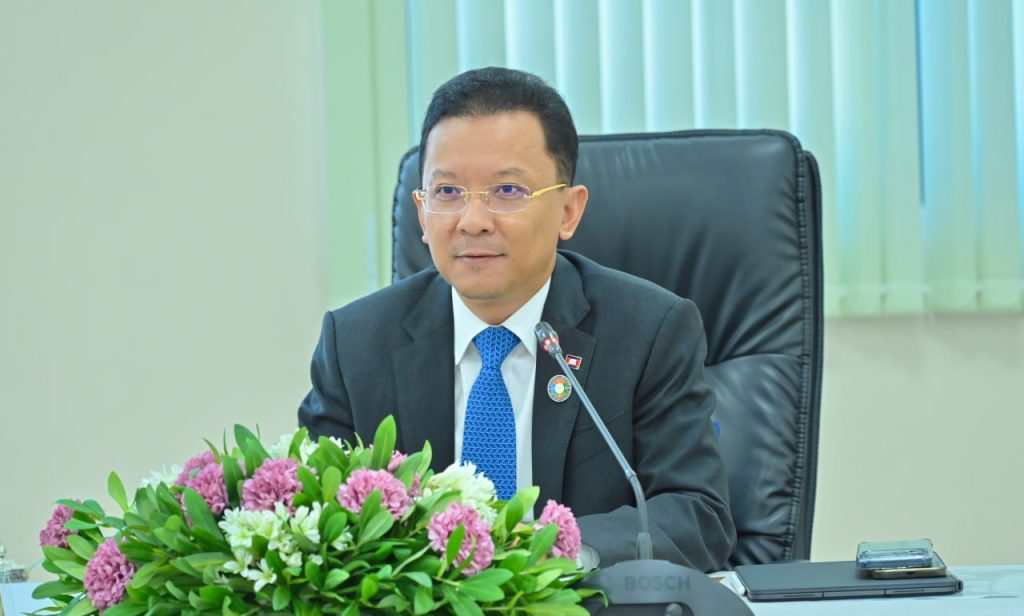
Minister of Industry, Science, Technology & Innovation Hem Vanndy said MISTI would assess the findings alongside its existing policy portfolio, including the draft MSME Development Strategy, as it refines measures to improve competitiveness and enterprise development.
Aligning analysis with MSME strategy and policy support
Minister Vanndy invited the World Bank to develop more concrete policy recommendations to support further discussions on actionable reforms. He also encouraged closer alignment between the Bank’s next Development Policy Operation and the government’s reform agenda, particularly in areas linked to MISTI’s mandate.
These include implementation of the MSME Development Strategy, improvements to business registration and licensing processes, and targeted measures to help viable informal firms transition into the formal economy.
The engagement reflects Cambodia’s broader effort to raise productivity, expand the formal private sector and strengthen competitiveness as it navigates a more challenging global economic environment while pursuing its long-term development goals.