
Cambodia Investment Review
Key research directions being discussed include expanding special economic zones, strengthening infrastructure and human capital, and improving agricultural productivity, as policymakers and academics seek to prepare the border economy for post-conflict recovery.
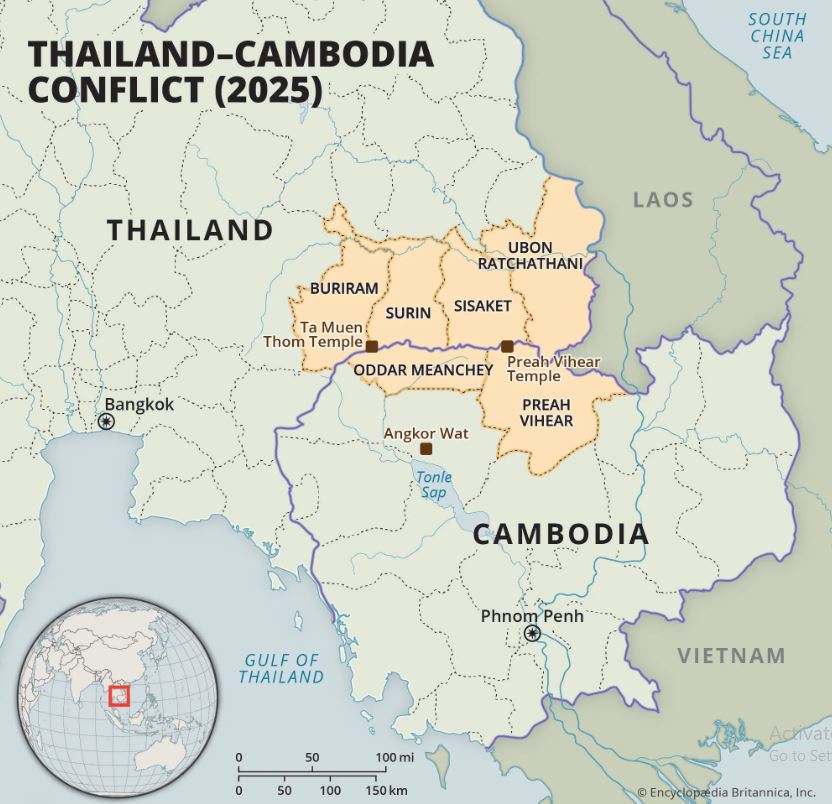
Cambodia is increasingly turning to research-driven economic planning to address the severe disruption of its border economy, following months of conflict-related trade closures along the Cambodia–Thailand frontier. While diplomatic and security challenges persist, senior policymakers are signalling that preparation for economic recovery cannot wait for a full political resolution, particularly given the scale of losses experienced in border provinces.
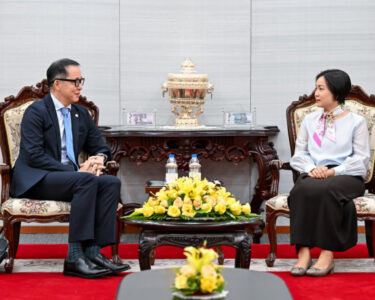
This approach was underscored during a recent meeting between the Senate’s Committee on Economy, Finance, Banking and Audit and the National University of Management, where both sides discussed closer collaboration on economic research focused on restoring border activity. The discussions reflect growing recognition that the border economy plays a central role in Cambodia’s trade, employment and regional integration, and that prolonged disruption poses risks to national growth.
Border closures and economic fallout
The economic impact of the border disruption has been immediate and far-reaching. Prior to the escalation of tensions last year, Cambodia and Thailand maintained strong cross-border trade links, with bilateral trade valued at approximately US$10.5–10.7 billion in 2024. Thai exports accounted for the majority of this trade, supplying Cambodian markets with consumer goods, industrial inputs and raw materials, while border trade also supported tourism, logistics and labour mobility.
Read More: Opinion – What Cambodia Should Prioritize In 2026
Following a series of military incidents between May and December, all officially managed land checkpoints between the two countries were closed. By July, monthly bilateral border trade had fallen by around 97.5%, declining to just over US$10 million. This collapse disrupted supply chains, reduced employment opportunities and significantly weakened household incomes in border communities that depend heavily on cross-border commerce.
Research as a policy foundation
In response, Senate Second Vice-President Thun Vathana has highlighted the importance of evidence-based policymaking to guide recovery efforts. The emphasis has been placed on mobilising universities and research institutions to generate reliable data and policy-relevant analysis that can support lawmakers, regulators and implementing agencies.
This research-led approach aligns with the long-standing vision promoted by Senate President and former prime minister Hun Sen, which frames border areas as potential zones of peace, cooperation and development. From an economic standpoint, this implies planning for reintegration and growth even as diplomatic processes continue.
Key research directions under discussion
Economists and academic institutions have been encouraged to focus on several priority themes that could underpin a sustainable recovery of the border economy. These areas are intended to address both immediate livelihood challenges and longer-term structural constraints.
Key research directions being discussed include:
- Expansion and upgrading of special economic zones along border areas to attract regional and international investors
- Investment in physical and social infrastructure, including transport links, healthcare facilities, schools and digital connectivity, to improve productivity and living standards
- Enhancing agricultural land productivity through more efficient land use, modern techniques and stronger market access
Together, these areas are viewed as forming the backbone of a medium- to long-term strategy to revitalise border regions and reduce their vulnerability to future disruptions.
Border recovery and national development goals
Policymakers have linked the recovery of border areas to Cambodia’s broader development ambitions. The Kingdom’s goal of reaching high-income status by 2050 depends on balanced growth across regions, with border economies playing a vital role in trade facilitation and regional integration. Prolonged stagnation in these areas risks widening regional inequalities and undermining overall economic resilience.
Academic leaders have echoed this assessment. Kim Veara, Director of the ASEAN Economic Research Institute at the National University of Management, has stressed the strategic importance of border regions and the need for consistent research engagement, regardless of political developments. Improving agricultural productivity and local livelihoods is widely viewed as a prerequisite for unlocking growth in other sectors.
Diplomacy and economic normalization
Despite ongoing challenges, Cambodian authorities continue to emphasise the role of diplomacy in restoring economic activity. Officials have reiterated their intention to pursue economic normalisation through the reopening of border crossings, rebuilding of trust and renewed cooperation with Thailand.
This position was recently restated by Foreign Minister Prak Sokhonn during briefings with foreign diplomats and international organisations, where Cambodia’s commitment to peaceful dispute resolution and regional stability within the framework of ASEAN was reaffirmed.
As Cambodia navigates this uncertain period, the focus on clearly defined, research-led recovery steps signals a measured but proactive policy stance. By grounding future decisions in data, institutional collaboration and long-term planning, the border economy is being repositioned as a critical pillar of Cambodia’s economic recovery and long-term growth trajectory.