

Cambodia Investment Review
Business chambers in Cambodia are urging calm while closely monitoring potential risks to regional trade and logistics corridors following the recent escalation of tensions between Thailand and Cambodia, with both European and American business groups highlighting the economic stakes involved.
While no confirmed disruptions to trade flows have been reported so far, chambers representing foreign investors say the situation requires careful, ongoing assessment given Cambodia’s reliance on maritime routes and cross-border logistics to sustain economic activity.
Logistics operations remain functional, EuroCham says
EuroCham Cambodia said on December 16 that, based on consultations with its transport, logistics and supply-chain members, operations remain functional despite heightened concerns. The chamber noted that it is not aware of any confirmed obstructions affecting the movement of goods to and from Cambodia, including maritime transit, port access, cargo handling and onward trucking.
EuroCham said fuel supply and pricing are being closely monitored as the situation evolves, but members have not reported operational disruptions to date. The chamber pointed to Cambodia’s logistics sector as having demonstrated resilience in the past, including through route diversification and operational adjustments during periods of uncertainty.
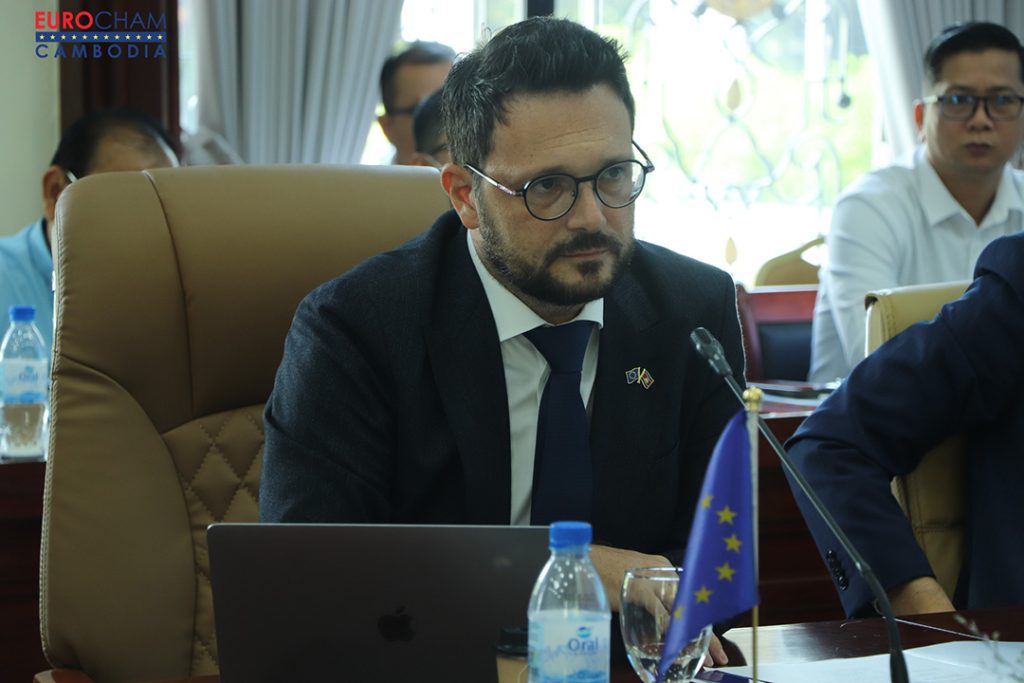
In its assessment, EuroCham referenced international maritime law, noting that under the United Nations Convention on the Law of the Sea, vessels of all states enjoy the right of innocent passage through territorial seas, subject to international rules. It also cited Thai public communications that have referred to tighter controls on Thai-flagged vessels and the designation of certain waters as “high-risk,” while stopping short of describing any general closure or blockade affecting third-country shipping.
The chamber said it will continue engaging with sectoral committees, government ministries and international partners to ensure members receive timely operational information, and encouraged businesses to raise logistics-related questions through established channels.
AmCham warns of severe economic consequences
The American Chamber of Commerce in Cambodia has also formally raised concerns with the United States Embassy in Phnom Penh over recent statements by Thai military officials suggesting heightened monitoring or possible restrictions on shipments to Cambodia.
In a letter dated December 15, AmCham warned that any move to restrict maritime access to Cambodian ports, particularly fuel shipments, would have severe consequences for American businesses, families and the wider Cambodian economy.
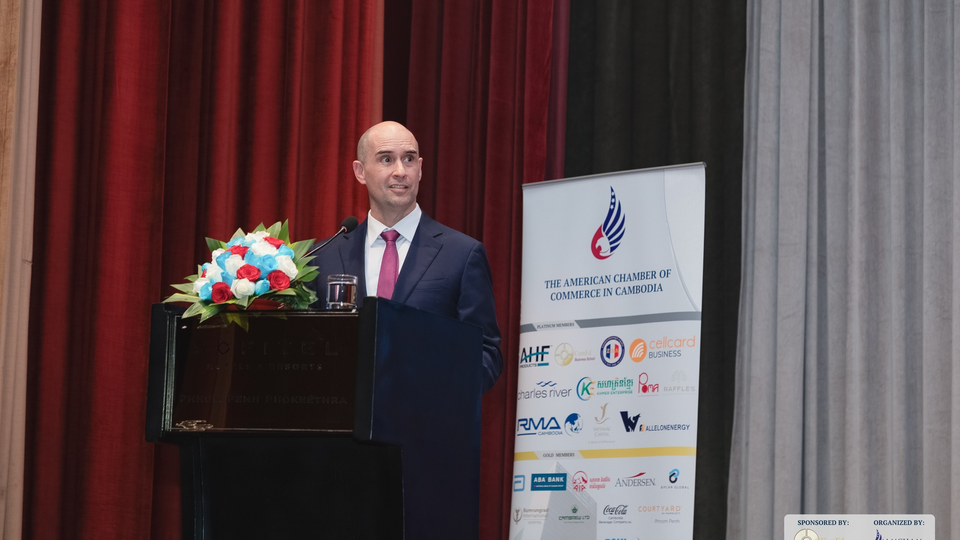
AmCham noted that around 865 American-owned businesses are registered in Cambodia, with hundreds more linked to local manufacturers supplying US brands. Together, these enterprises represent billions of dollars in investment and support thousands of jobs, while underpinning export-oriented sectors that depend heavily on sea freight.
The chamber highlighted the risk that labelling Cambodian ports as “high risk” could sharply increase insurance premiums and shipping costs, potentially disrupting trade and threatening livelihoods in the manufacturing sector. It said such measures would disproportionately affect civilians and commercial supply chains rather than address underlying security concerns.
Trade ties underscore high stakes
The concerns come at a time of strong bilateral trade momentum between Cambodia and the United States. According to data from the General Department of Customs and Excise, bilateral trade reached $11.87 billion in the first 11 months of 2025, up nearly 29 percent year-on-year. Cambodian exports to the US accounted for $11.50 billion of that total, driven by textiles, footwear, agricultural products and other manufactured goods.
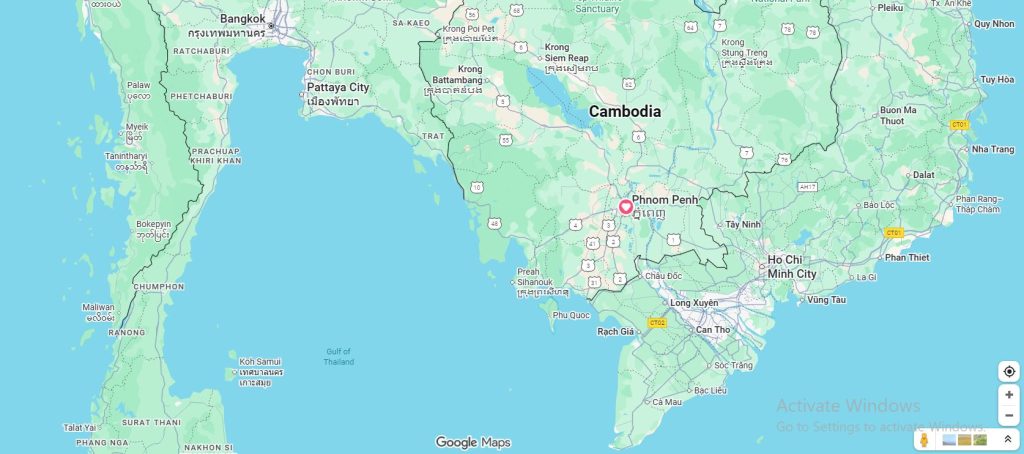
Cambodian authorities have said they are closely monitoring statements attributed to Thai officials regarding possible maritime restrictions. The Ministry of Public Works and Transport described such remarks as going beyond routine policy statements and warned they risk escalating tensions between the two neighbours.
For businesses operating in Cambodia, the situation underscores the importance of contingency planning, diversified logistics routes and close engagement with industry bodies as geopolitical risks rise in the region. While trade flows remain intact for now, chambers say sustained dialogue and adherence to international norms will be critical to maintaining confidence among investors and supply-chain operators in the weeks ahead.