
Cambodia Investment Review
ACLEDA Bank Plc. has announced a major financial relief initiative to support Cambodian frontline soldiers and civilians affected by the ongoing Cambodia–Thailand border conflict, including plans to write off up to US$30 million in outstanding loans for wounded, disabled, and fallen soldiers who are existing customers of the bank.
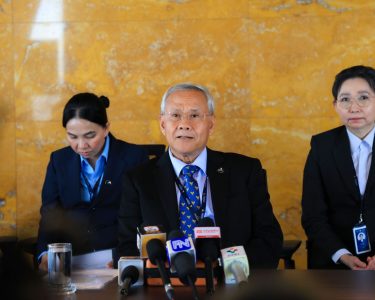
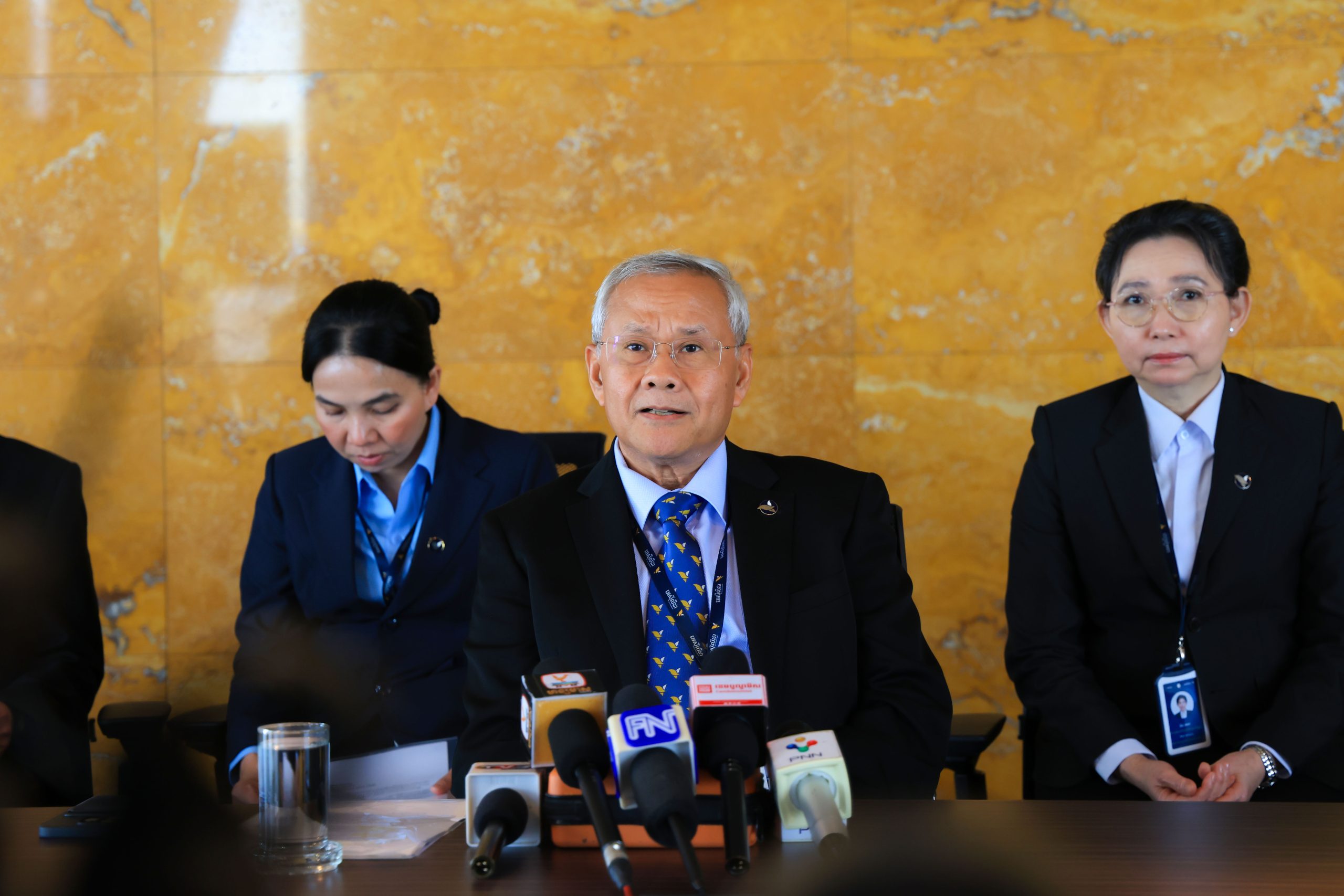
The announcement was made during a press conference held on December 16, 2025, where ACLEDA Bank President and Group Chief Executive Officer In Channy outlined the bank’s measures to help ease the financial burden faced by military personnel and displaced families as tensions continue along the border.
Financial Support for Frontline Soldiers
According to ACLEDA, the debt write-off program will apply to soldiers who have been injured, permanently disabled, or killed while serving on the front lines, provided they hold loan accounts with the bank. The proposed US$30 million in loan cancellations comes in addition to more than US$4 million in debt relief already granted by the bank in previous periods.
In Channy said the initiative reflects ACLEDA’s commitment to standing alongside the Royal Government and supporting those who have made significant sacrifices in defending Cambodia’s territorial integrity and national security.
Loan Relief for Displaced Families
Beyond debt cancellation for soldiers, ACLEDA is also preparing additional relief measures for civilians affected by the conflict, particularly families displaced from border provinces. These measures include loan repayment extensions and other forms of financial accommodation for relatives of soldiers and displaced persons.
The bank estimates that these repayment relief measures could apply to loans totaling approximately US$70 million. The aim is to provide temporary financial flexibility to households experiencing income disruption, displacement, or economic uncertainty as a result of the conflict.
Alignment With Central Bank Guidance
ACLEDA stated that its relief measures are being implemented in accordance with guidance issued by the National Bank of Cambodia (NBC) on December 10, 2025. The NBC directive encourages banks and financial institutions to support citizens affected by the Cambodia–Thailand border tensions, including frontline military personnel and displaced populations.
The bank noted that all relief measures will be applied in line with regulatory requirements and assessed based on individual circumstances to ensure responsible and effective implementation.
Humanitarian Assistance Across Border Provinces
In addition to financial measures, ACLEDA has also undertaken a range of humanitarian initiatives in recent weeks. The bank has donated 150 tonnes of rice to affected communities across nine provinces and municipalities impacted by the border conflict.
ACLEDA has also provided financial contributions of 200 million riel through the Cambodian Senate, as well as a further 100 million riel via the Ministry of Education, Youth and Sport. These funds are intended to support children and schools in border provinces that have been affected by displacement and security challenges.
Ongoing Support and Coordination
ACLEDA said it will continue to work closely with relevant authorities to ensure that its financial and humanitarian support reaches eligible beneficiaries. Affected customers are expected to be contacted through the bank’s branch network and official communication channels regarding the application and implementation of relief measures.
As border tensions continue to place pressure on communities and local economies, ACLEDA emphasized that it remains committed to adjusting its support measures as needed, while contributing to broader national efforts to assist affected populations and maintain financial stability.