

Cambodia Investment Review
Cambodia’s rapid shift toward digital banking and mobile payments is accelerating efforts to improve public financial awareness, as regulators and industry leaders warn that inclusion must be matched with consumer protection and digital knowledge.
The National Bank of Cambodia (NBC) and Credit Bureau Cambodia (CBC), with support from the Association of Banks in Cambodia (ABC) and the Cambodia Microfinance Association (CMA), jointly hosted the Digital Financial Literacy Forum on November 28 at Novotel Phnom Penh. The event gathered more than 100 representatives from regulators, banks, microfinance institutions, FinTech developers, and development partners to discuss strategies for improving safe and confident participation in the digital finance ecosystem.
Financial inclusion meets rapid digital adoption
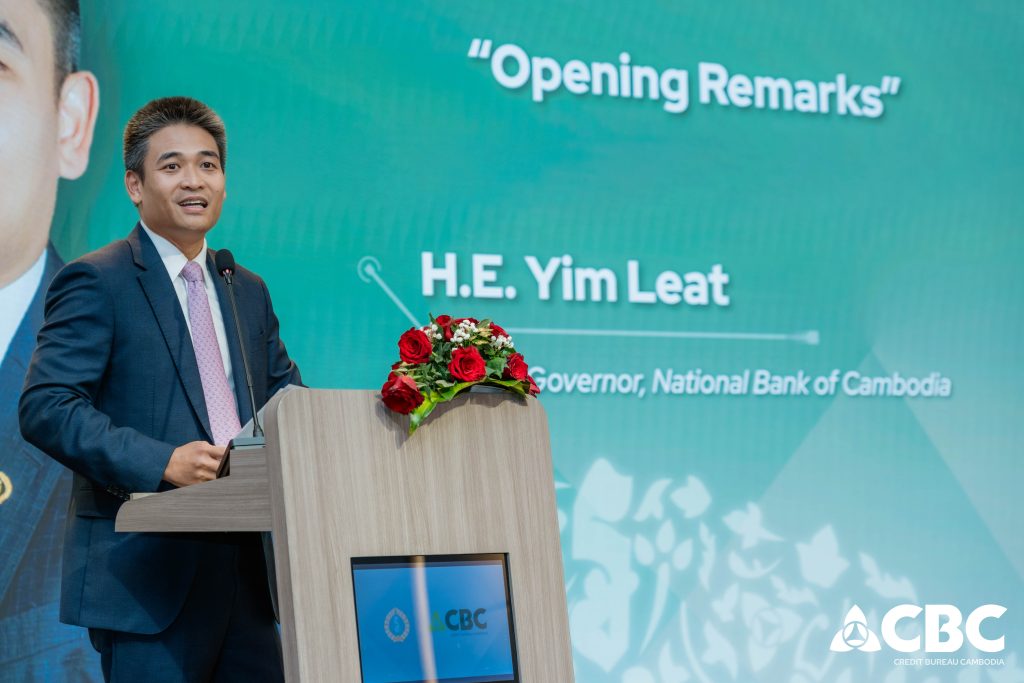
Opening the forum, Deputy Governor of the National Bank of Cambodia H.E. Yim Leat emphasized that digital financial literacy is critical to ensuring citizens benefit from technology without falling victim to scams, misinformation, or privacy breaches. He noted that DFL extends beyond basic device use to responsible online behavior — understanding digital footprints, privacy, data security, and the consequences of online actions.
NBC highlighted ongoing efforts to advance the agenda through regulatory guidance, consumer education initiatives, and infrastructure development. The interoperable Bakong payment system continues to play a major role, recording more than 600 million transactions valued at approximately USD 104.81 billion in 2024 — equivalent to 330% of Cambodia’s GDP.
Sector calls for stronger awareness as risks evolve
The Association of Banks in Cambodia echoed concerns about the risks faced by both consumers and businesses as digital finance becomes more widespread. Chairman Rath Sophoan told attendees that digital and financial literacy must now advance in tandem, given rising exposure to online scams, identity theft, digital lending risks, and misinformation.
He added that digital innovation will reshape Cambodia’s financial system, but long-term progress depends on the public’s ability to use new tools safely and confidently.
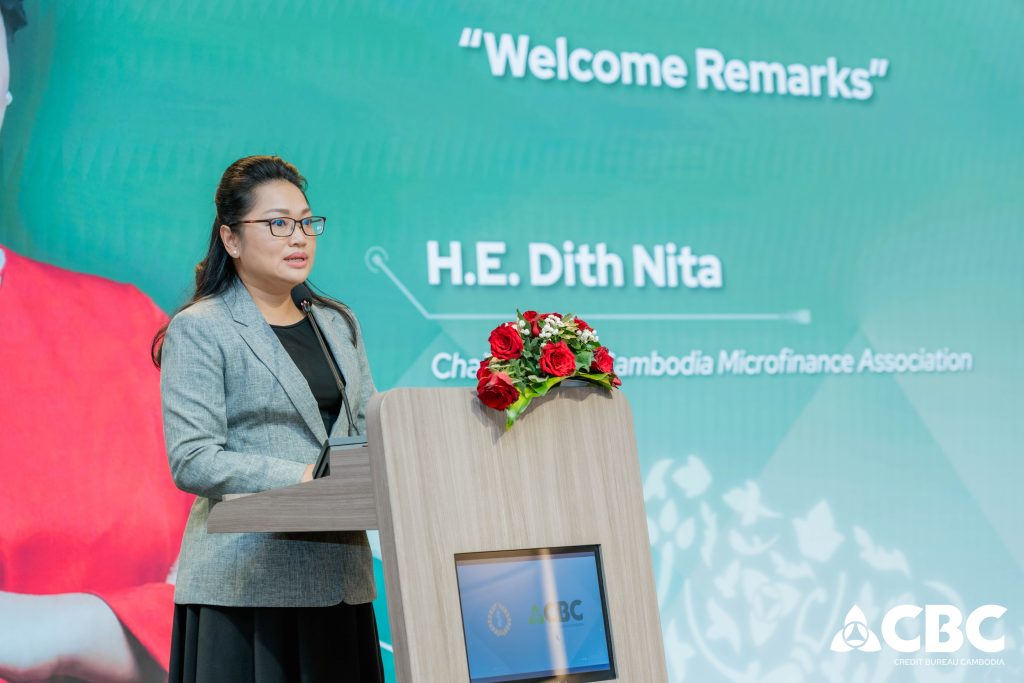
CMA Chairwoman Ms. Dith Nita also stressed the practical importance of financial literacy as a foundational layer of consumer protection. She said that ongoing public education and sector-wide collaboration will be necessary to ensure the shift to digital finance remains inclusive, safe, and fair — especially for rural communities and SMEs increasingly integrating digital services into daily operations.
CBC outlines open-data ambitions and national learning platform
CBC CEO Oeur Sothearoath highlighted that strengthening digital financial literacy is closely tied to building consumer confidence in data use and digital credit. He pointed to several ongoing knowledge-building initiatives and announced CBC’s work on a Financial Literacy Academy and a national knowledge hub being designed to support institutions, educators, and the general public.
He said the bureau is working with regulators and sector partners to advance a gradual transition toward an open-data environment that prioritizes transparency, security, and responsible access to finance.

The forum featured a presentation from CBC Head of Research and Development Prashanta Pradhan, followed by two expert panels: one on innovations in digital financial literacy programs and one on collaborative pathways for nationwide rollout.
The event concluded with a strong message on the need for long-term, multi-stakeholder coordination to ensure Cambodia’s digital finance ecosystem remains resilient and consumer-centric. Organizers reiterated that strengthening digital financial literacy will be fundamental to financial inclusion, trust in digital platforms, and sustainable growth as Cambodia’s financial system becomes increasingly technology-driven.