

Cambodia Investment Review
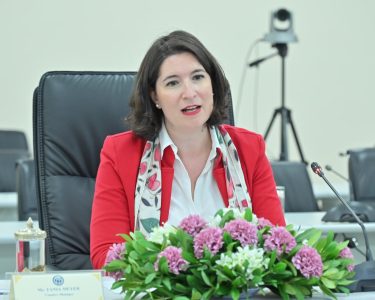
In a recent presentation by Mrs. Davy Kong, Partner at DFDL Cambodia and Member of the Board of Governors of the American Chamber of Commerce, provided an overview of the significant updates in Cambodian tourism and real estate regulations for 2024. The presentation highlighted crucial changes aimed at fostering sustainable development and encouraging investment in the country.
The Cambodian Law on Tourism, originally dated 10 June 2009, has been designed to ensure the sustainable, effective, and qualitative development of the tourism sector. It aims to protect natural resources, culture, and customs, minimize negative impacts, and maximize positive outcomes of tourism. The law seeks to develop human resources in the tourism sector and contribute to international friendship and understanding through tourism activities.
Ensuring Adherence To International Best Practices
“The Ministry of Tourism has the authority to lead and govern the sector, ensuring adherence to international best practices,” Mrs. Kong stated. The Ministry is responsible for promoting tourism both domestically and internationally, ensuring quality and standards, managing tourism business activities, and facilitating international cooperation.
Tourism business activities are categorized into three main responsibilities: primary, shared, and those requiring consultation. This includes a wide range of services from tour guides and travel agencies to tourist accommodation services and entertainment centers.
Mrs. Kong emphasized the importance of licensing and registration for tourism businesses. “No tourism business can operate without the necessary licenses from the Ministry of Tourism or the Provincial-Municipal Department of Tourism,” she explained. Businesses must comply with various laws and regulations, including building norms, fire safety, health, hygiene, and labor standards. Violations can result in substantial fines ranging from 2,000,000 to 20,000,000 Riels (approximately USD 500 to USD 5,000). The scale of the fine for each type of tourism business is determined by a Prakas (regulation) of Ministry of Tourism.
Specific Licenses For Residential and Land Parcel Developments
On the real estate front, Prakas No. 047, issued on 26 September 2023, has replaced Prakas No. 089, dated 20 January 2020, to enhance the management of real estate development businesses. The new regulation introduces specific licenses for residential and land parcel developments, emphasizing stringent capital requirements and security guarantees.
For residential developments, projects ranging from 3 to 30 units require permits from the relevant Capital-Provincial Department of Economy and Finance (DEF). Larger projects need licenses from the Real Estate Business and Pawnshop Regulator (RPR). Land parcel developments below 10,000 square meters require DEF permits, while larger projects need RPR licenses.
Developers must meet capital requirements and provide business security guarantees. Failure to comply with sale and purchase or lease agreements can result in the freezing of business security guarantees by the RPR/DEF. Prakas No. 047 also specifies fines for operating without proper licenses, ranging from 500,000 Riels (approximately USD 125) to 500,000,000 Riels (approximately USD 125,000).
Addressing Regional Challenges and Encouraging Investment
The presentation also Introduced the Special Program to Promote Investment In Preah Sihanouk Province 2024, aimed at addressing regional challenges and encouraging investment through various incentives. These include tax exemptions, VAT exemptions for local goods and services, waiver of public service fees, and facilitation of investment procedures.
Read more: Cambodia’s Real-Estate Community Welcomes Sihanoukville Investment Incentive Program
Finally, Prakas No. 050, dated 19 July 2024, outlines procedures for registering private units of co-owned buildings constructed before 19 December 1997. This aims to protect legal rights and ensure proper documentation for these units. Owners must submit various documents, including identification, proof of ownership, and payment receipts, to the Ministry of Land Management, Urban Planning, and Construction.
Mrs. Kong’s detailed presentation underscores the Cambodian government’s commitment to regulating and promoting sustainable tourism and real estate development. These updates aim to enhance the country’s appeal to both tourists and investors, fostering growth and development in these vital sectors.